

Hyundai
1.0 TGDi 48V MHEV Ultimate 5dr
£25,900
Powertrain to suit everybody, tidy handling manners, now much more spacious than before
Robocop looks (but then you might like that), interior a little plain in base versions
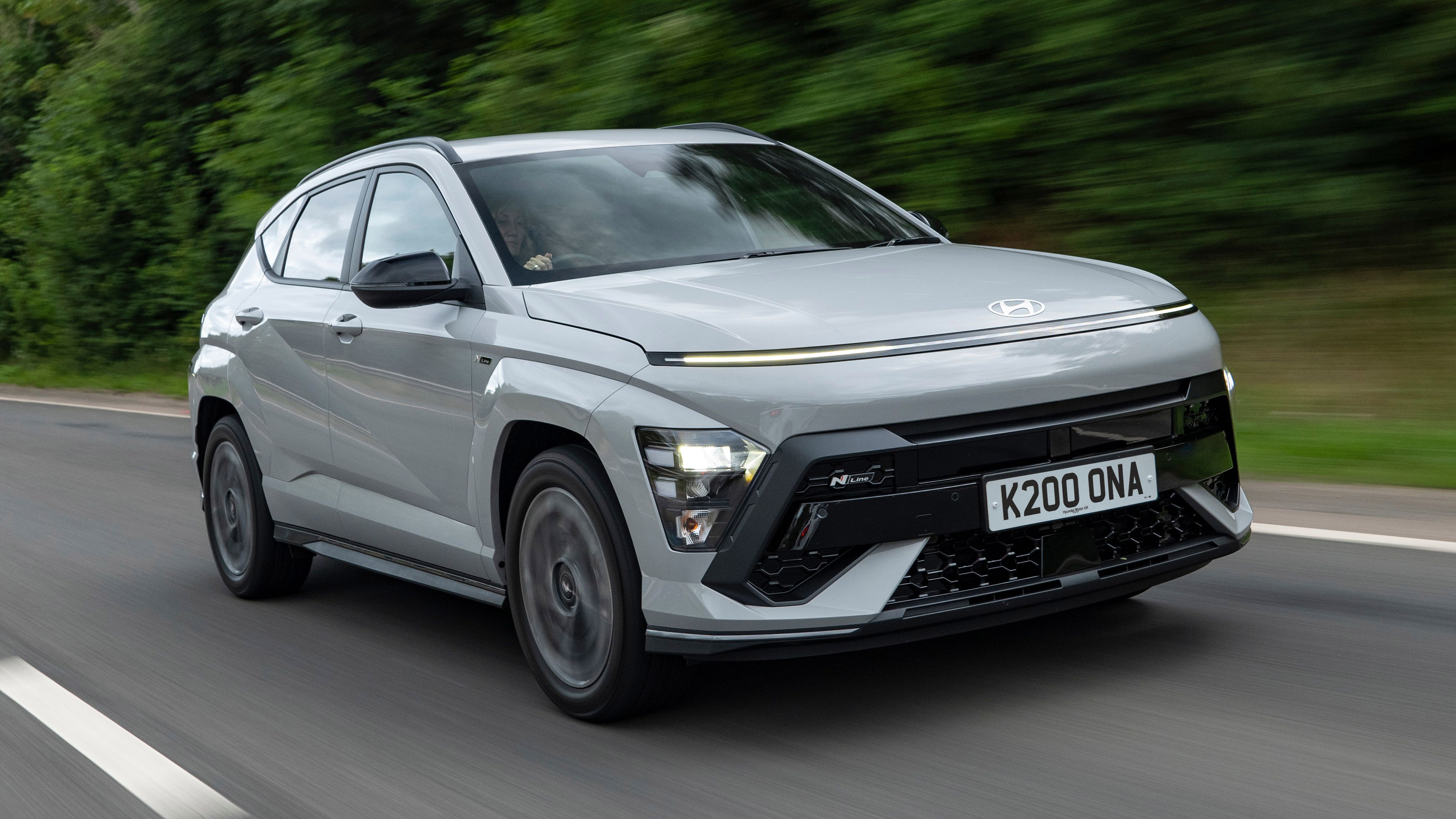
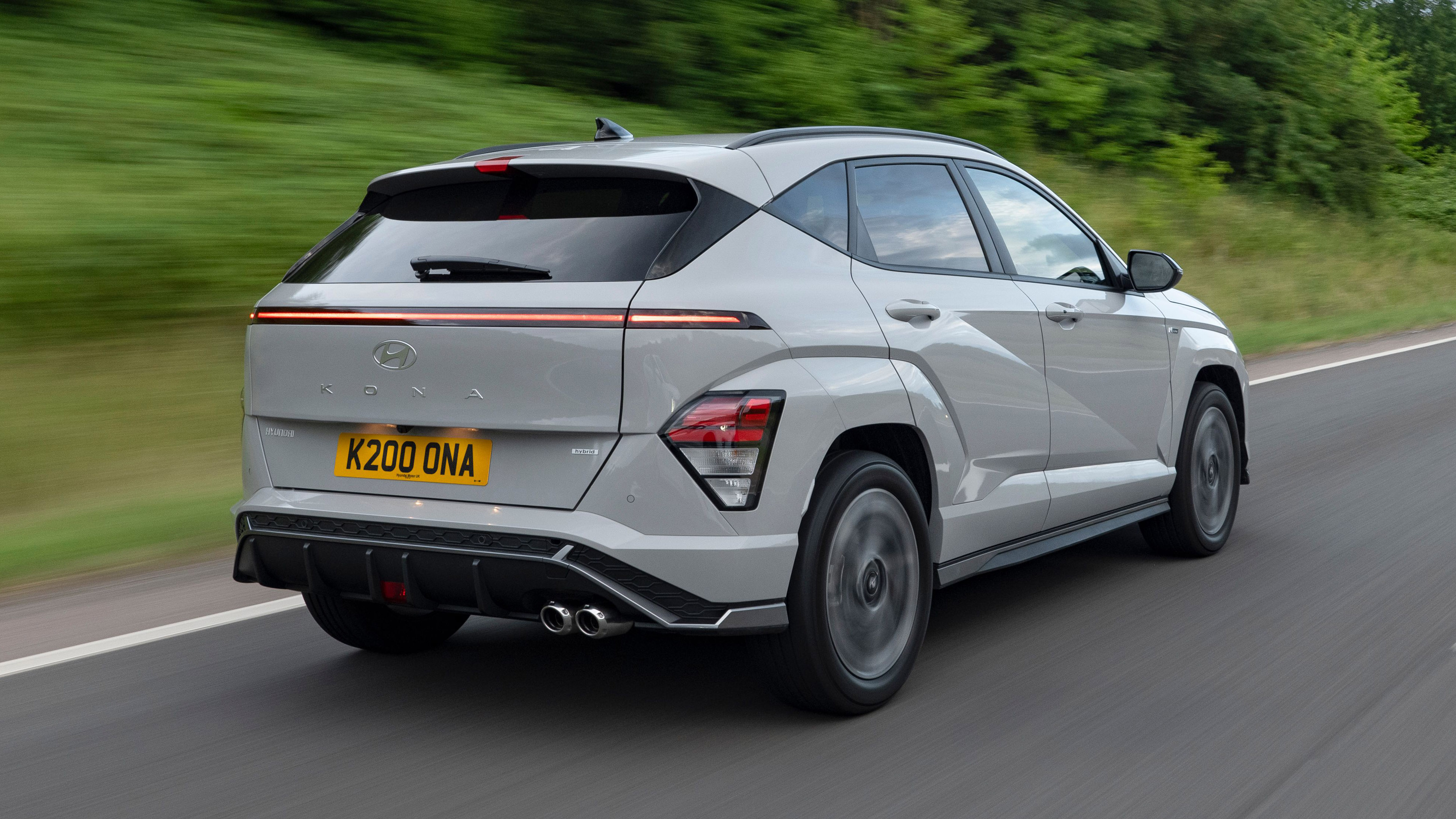
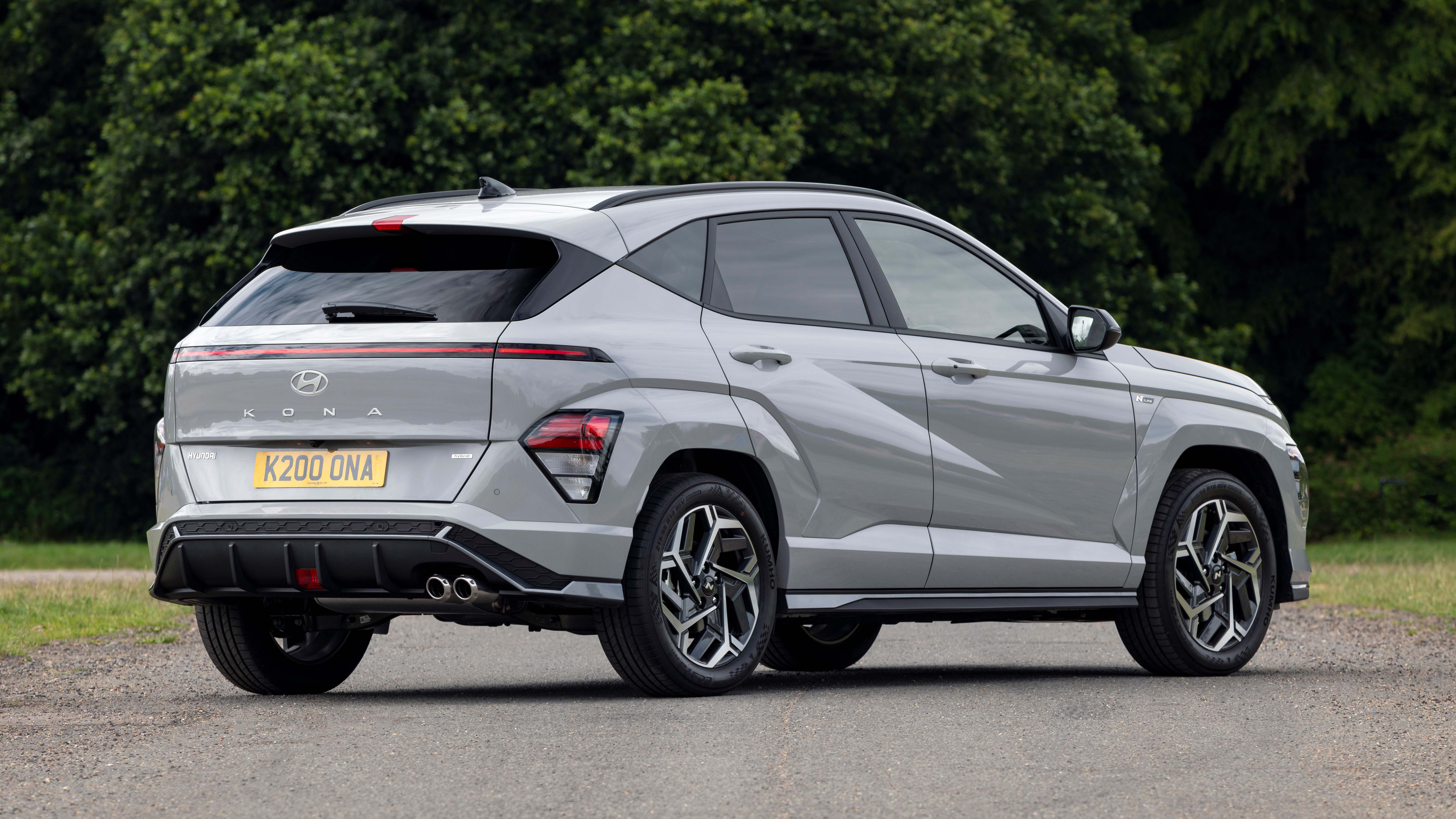
It’s the second generation Hyundai Kona, and you'll have already seen for yourself that it takes the wacky styling of its predecessor and doubles down on it. It’s grown slightly compared to that car, but the main talking point is those front and rear light bars which look straight outta Robocop.
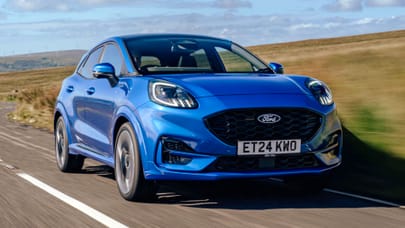
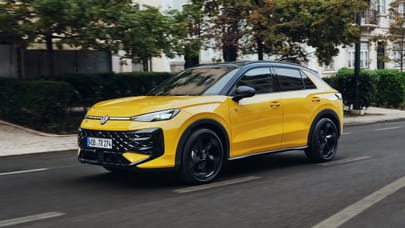
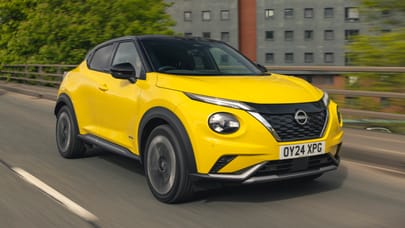
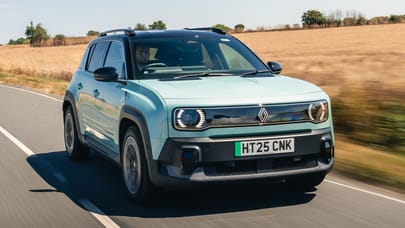
Hyundai calls it an “urban-centric SUV”, we’ll just call it what it is, which is yet another crossover. It competes with the likes of the Ford Puma, Nissan Juke, Renault Captur, Peugeot 2008, Kia Niro, VW T-Roc, and the many, many others that exist from just about every other car manufacturer on the planet.
And that’s not even including the myriad of electric rivals, because yes, you can also have one of these with full electric power. You can read our review of the full EV – appropriately called the Kona Electric – by clicking these blue words, but here we’ll focus on the standard Kona.
Opening the batting in the UK is a 1.0-litre turbocharged three-cylinder engine that combines with a six-speed manual gearbox and produces a maximum output of 99bhp and 148lb ft of torque. Yep, it’s manual only.
One up is the 1.6-litre turbocharged four-cylinder, paired with a six-speed manual or seven-speed DCT gearbox – the choice is yours – and which produces a healthier sounding 136bhp and 184lb ft of torque. Much more like it.
Alternatively there’s the Kona Hybrid. It pairs 1.6-litre petrol engine with a small electric motor and an even smaller battery. Combined, the setup produces 127bhp and 195lb ft of torque. All versions are FWD only on our shores.
Not quite, but none the worse for it. It’s both suitably modern and refreshingly easy to operate, and though it gets dual 12.3in driver and infotainment displays, it also retains a separate climate control panel. Fancy that!
As mentioned before, it’s grown compared to its predecessor, now measuring some 14.5cm longer, 2.5cm wider and 2cm taller than before. Plus, there’s an extra 6cm in the wheelbase so you get a fair bit more room inside. Small margins, but it’s pleasingly spacious for both front and rear passengers.
As is the boot, which has grown significantly compared to the first generation version. The material quality varies quite heavily depending on what trim you go for, so it's worth paying close attention to the configurator.
Good question. The base 1.0-litre 3cyl starts from £26,735, with the 1.6-litre 4cyl starting from £27,685. Add £1.5k if you want the auto.
If it’s the hybrid you’re after, you’re looking at £30,890. Sounds expensive, but it's still a couple of grand cheaper than the Electric version. Full details on the Buying tab.
If nothing else, we like the Kona for stepping out from the smorgasbord of identikit cars in the sector. Not everyone will be sold on the wacky styling, but if you're on board, step right up, because it's all very tidy underneath the futuristic looks, too.
Engineers have clearly worked hard on the dynamics - this is far removed from the sponge pudding some of its rivals resemble. Hyundai has also clearly listened to consumer feedback when designing this latest version, with a useful leap in cabin space over its predecessor.
And it hasn’t alienated anyone when it comes to powertrains either. Want a pure petrol? You got it. Dipping your toe in electric waters? Try the hybrid. Ready to make the switch to full EV? Step right this way. A solid all round effort.
Thank you for subscribing to our newsletter. Look out for your regular round-up of news, reviews and offers in your inbox.
Get all the latest news, reviews and exclusives, direct to your inbox.