

the fastest
169kW Long Range GT 97kWh 5dr Auto
- 0-628.7s
- CO20
- BHP228
- MPG
- Price£52,075
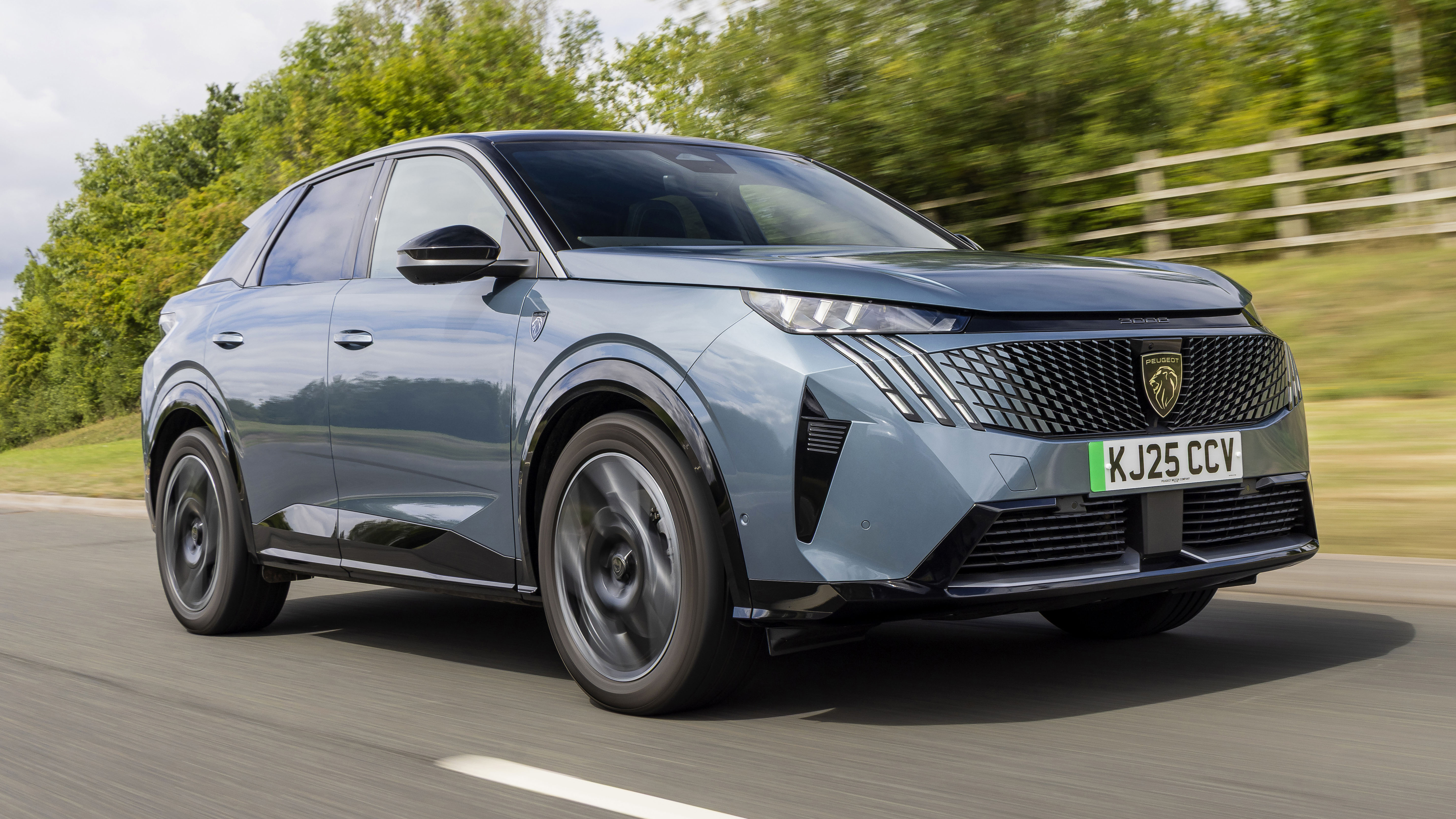
The 210bhp single motor version is smooth and quiet, but not a car for drivers who like to crack on. Getting from 0-62mph, hampered by that kerb weight, occupies 8.8 seconds. Still, thanks to good aero, things don't tail off too much at motorway speed.
Neither does it take too kindly to being hustled down a tricky road. The mass shows up again when you pitch it into a tight corner or ride over a crest. It takes a while to settle after either of those events. And the steering doesn't confide any sense of what's happening where the rubber meets the road.
But it is an accurate and fluent car that's easy to thread along neatly: it doesn't lurch when taking on its modest roll, understeer is well contained and traction strong. In the dry you'd hardly know which end the motor lives. Steering weight and progression are just fine. So are the brakes. And paddles give a choice of regeneration levels.
The ride is generally pretty supple unless you hit a really big bump, and the tyres' and suspension's quietness make it feel better than it is.
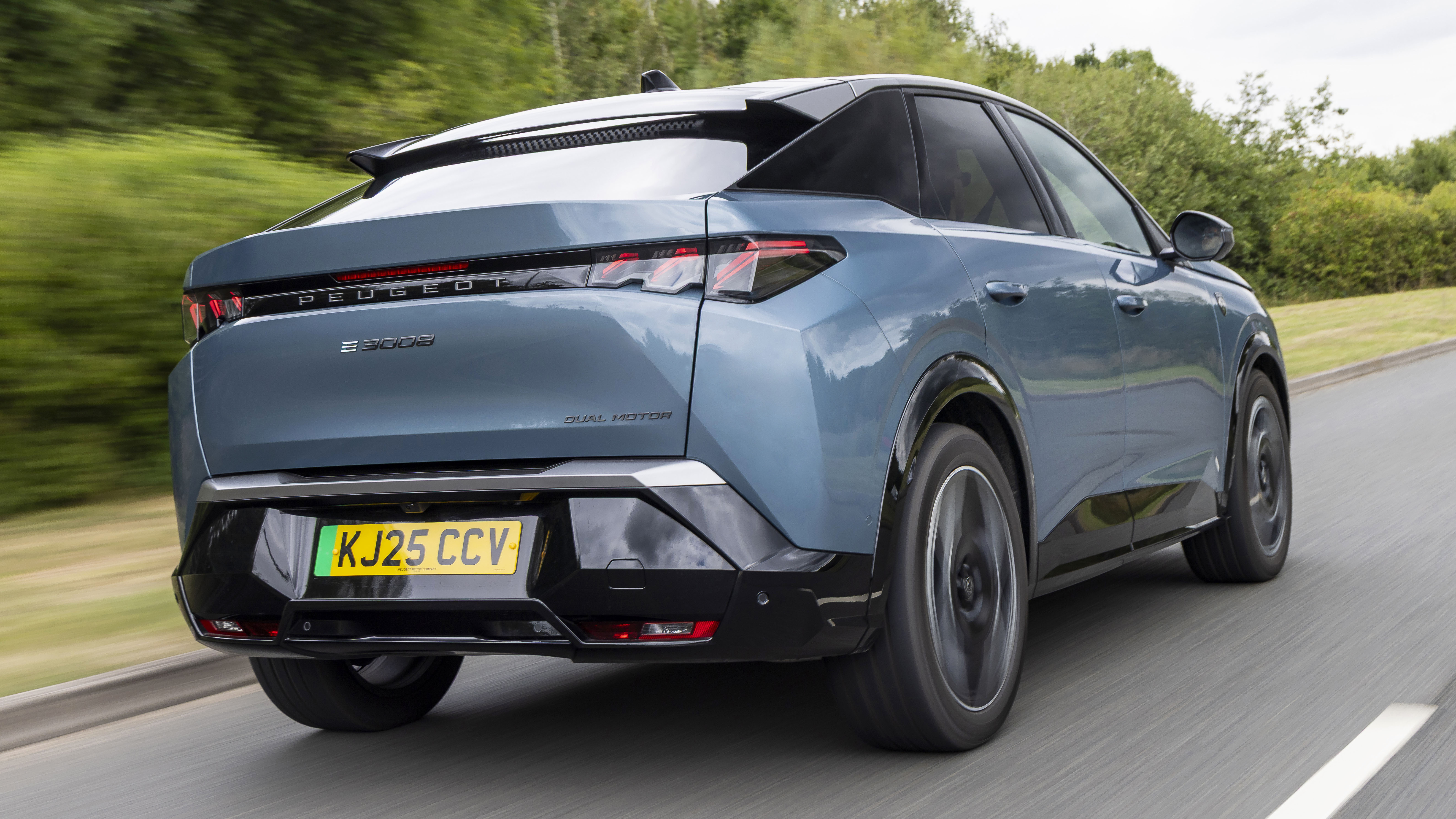
With 321bhp, it gets away more smartly, though still not what you'd call rapidly for an EV, taking 6.0 seconds to nudge 62mph. It has a 210bhp front motor with 111bhp out back. It clings on more gamely out of tight corners, but the basic character is the same.
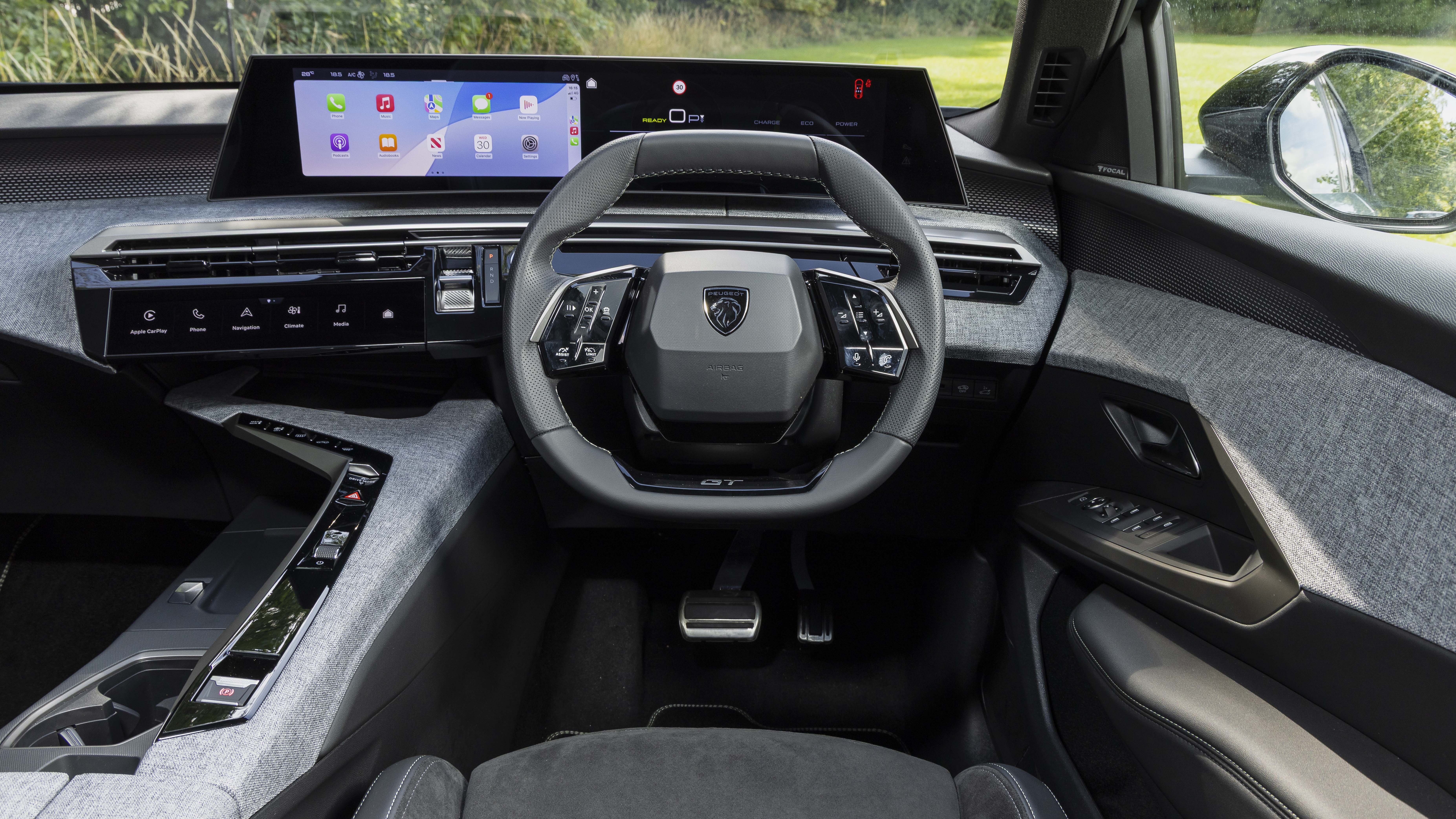
Particularly as you need to get your head around the drive modes to make best use of it all. Leave everything alone – as we suspect most people will – and it’ll stick in Normal mode, prioritising the front motor and wheels, with maximum power limited to 309bhp and 332lb ft.
If you’re feeling brave, then you’ll stick it in Sport or 4WD. In Sport power is distributed 60/40 between the front and rear axles; in 4WD, power is distributed evenly. In the real world there’s little difference between them, and once you’ve got over the quicker acceleration there’s little reward to be had.
Alternatively if you’re feeling… less brave, or you’re running low on range, you’ll stick it in Eco mode, which limits torque further to 253lb ft. Which is plenty, and it doesn’t feel much slower. Somewhat surprisingly the rear motor isn’t disabled completely, but doesn’t kick in unless you’re very heavy footed.
Decent, if not mind blowing. We spent a couple of hours driving the 73kWh Standard Range car on a mix of country roads and town stuff, and got 3.5mi/kWh from it on a warm day. That points to a real world range of 255 miles against a claim of 326. Not a bad return by any means.
In the dual motor version - which gets the same 73kWh battery, remember - we saw around 3.1mi/kWh for a real world 226 miles of range, versus a claimed 303 miles. Still not a bad return, but we’d sacrifice the unnecessary extra performance for the improved range.
As a reminder, the 97kWh Long Range model claims 435 miles WLTP. We haven’t tested it yet but based on a similar mi/kWh figure it’ll comfortably bulldoze through the magic 300-mile mark in the real world.
There's a pretty comprehensive suite of them but beyond the legally mandated ones they're optional so if you don't like them – many don't – they’re simple to switch off. They work smoothly without many bings and bongs or nudges of the steering. You can set up shortcuts to switch out any of them if you're regularly on a road where they're unhelpful. Many Peugeots we’ve driven recently are far more intrusive, so this is a welcome sign of progress.
Thank you for subscribing to our newsletter. Look out for your regular round-up of news, reviews and offers in your inbox.
Get all the latest news, reviews and exclusives, direct to your inbox.