




Advertisement
“Not one for the drivers, but seriously rapid, efficient and a huge amount of kit for the money”
Good stuff
Impressive straight-line performance, well-equipped, great value
Bad stuff
Snatchy brakes, body control at higher speeds, bland design
Overview
What is it?
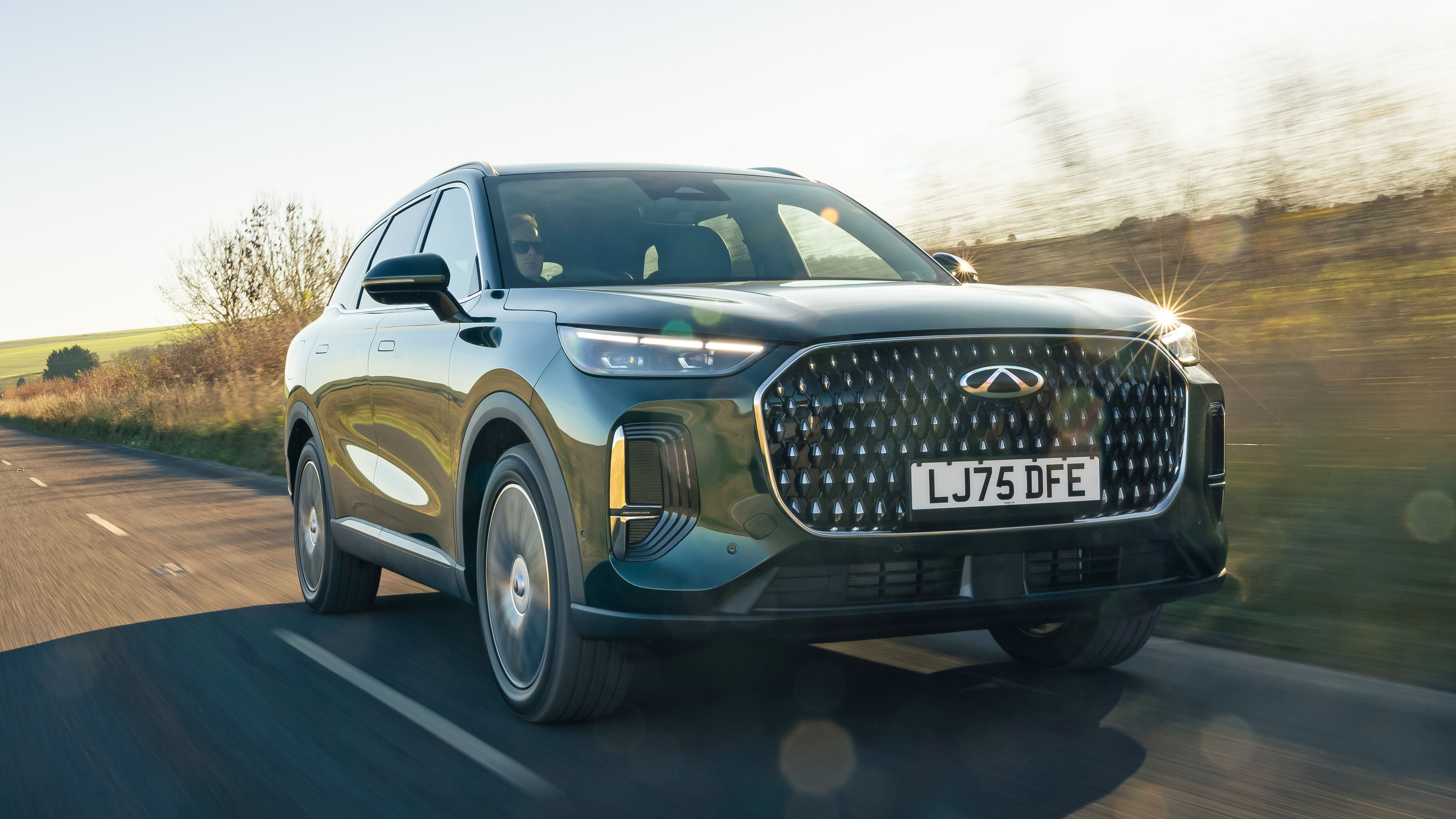
It’s the new flagship, seven-seater model from Chinese newcomers Chery. Newcomers to the UK, that is; the company produced its first car in 1999 and has already shifted well over 5 million in 80 countries since then. Only on sale in the UK for four months at the time of writing, Chery already has a one per cent market share with the Tiggo 7 and Tiggo 8. That’s China speed.
It’s the sister brand to Jaecoo and Omoda, two other badges you’re starting to see absolutely everywhere as they make deep inroads into the European market. Chery is the family-focused one (watch out Skoda), Jaecoo is the traditional off-road one (think wallet-friendly Land Rover) and Omoda is more ‘urban-focused’ design (my first Range Rover).
Advertisement - Page continues below
How big is it? What are the rivals?
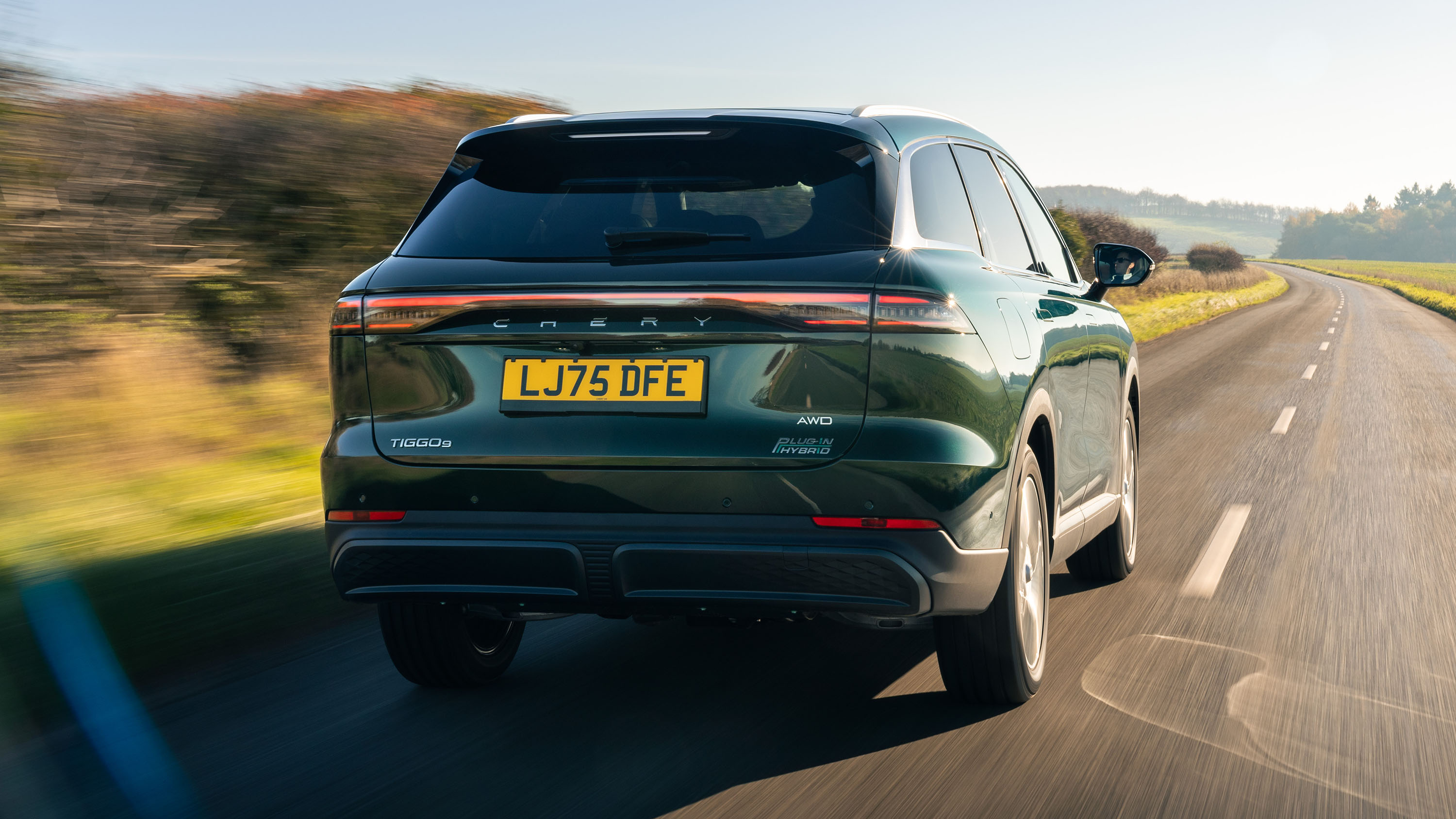
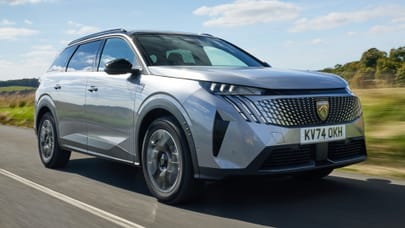
A bit bigger than the Tiggo 8, unsurprisingly, so 4.8m long, 1.9m wide and 1.7m high. That puts it right in the slot to go up against other seven-seaters like the Peugeot 5008 and Skoda Kodiaq.
In terms of boot capacity it has 300 litres with all seven seats in place (the also seven-seat Tiggo 8 has 117), then 819 litres with the third row folded and 2,021 litres with both back rows flat. However, those rearmost seats really aren’t for adults… even kids will feel a bit short-changed back there on long trips. It’s tight and not particularly graceful getting in. Think of it as a 5+2.
A multitude of engine options?
Joyfully, no. Just one option for UK buyers, the so-called Chery Super Hybrid system – a plug-in hybrid powertrain that combines a 1.5-litre four-cylinder turbocharged petrol engine with an electric motor on each axle for a slightly unnecessary total of 422bhp and 428lb ft of torque. I say unnecessary, because that means this 2.3-tonne family SUV will do 0-62mph in 5.4 seconds – that’s quicker than the latest Honda Civic Type R for Pete’s sake. It’s limited to a top speed of 112mph, but buried in the spec sheet is this gem: the actual top speed is 180mph (where the law permits).
Of more use that sports car-scaring acceleration is the much larger (228kg!) 34kWh battery that means an EV-only range of 91 miles, and a total (claimed) range of 650 miles when you fill the 70-litre tank with fuel. Even with some real-world shrinkage taken into account, for many that’s enough for an EV-only commute and a proper adventure at the weekend. The battery can accept DC charging at max 71kw, which means a 30 to 80 per cent change in 18 mins.
Advertisement - Page continues below
What do you think of the design?
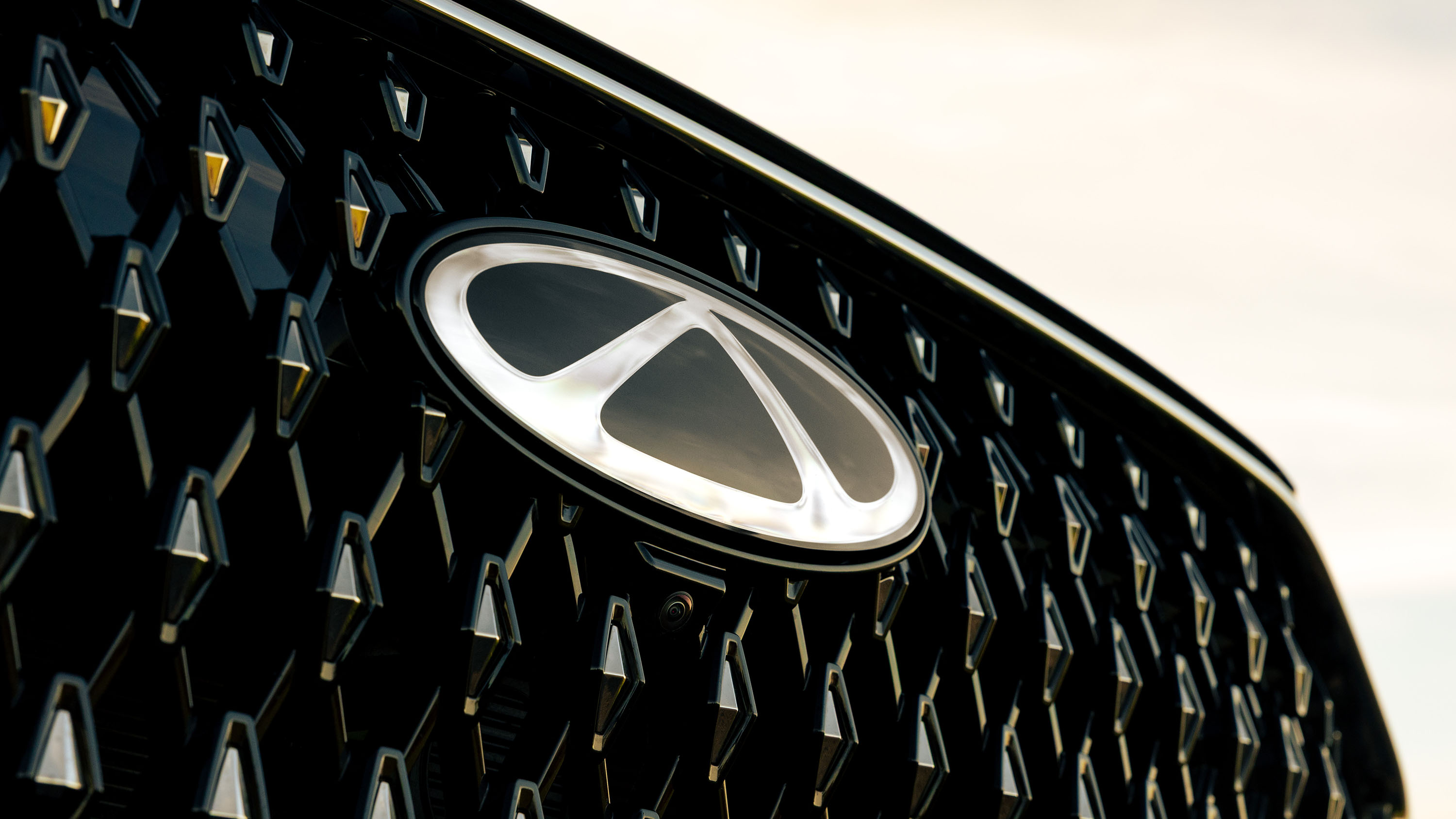
Next question! I jest; the design is by far the least interesting thing about this car. Remove the Infiniti-esque badge and it could be one of those anonymous SUVs from a car insurance ad. However, it’s not ugly, it’s classically proportioned with precious few risks taken, which when it comes to spanking-new brands with zero design heritage to draw on or live up to… that’s a clever move. Don’t offend or put anyone off with the looks, steer the conversation towards the tech and equipment.
The interior, which we’ll get into more in a minute, is more of the same. Ask AI to create an image of a modern car cabin and this is what would pop up. A scarcity of buttons, an abundance of screen, nothing flash in the architecture, all the focus on the functionality.
Is it well equipped?
It is. There’s only one trim, no options beside paint colour, and I’ve tried and failed to think of any box that’s gone unticked. The wheels are 20-inch, the front seats are leather, heated (as is the steering wheel), ventilated, massaged and electrically adjustable. The second row is heated and ventilated too. There’s a 14-speaker Sony stereo with speakers in the front headrests, a 15.6-inch central touch screen with CarPlay and Android auto, a 10.25-inch digital instrument cluster, and 19 driver assistance systems (most of which you’ll be scrambling to turn off ASAP).
There are cameras covering every possible angle, a 1.3m panoramic roof (with a sun blind), laminated glass to boost refinement, a 50W wireless phone charging pad and a multitude of USB ports. Plus V2L capability so you can plug in a coffee machine or hair dryer should you feel the need.
What's the verdict?
“This is not a car for someone who cares about driving dynamics”
Time to remove our car-enthusiast hat and approach this section pragmatically. This is not a car for someone who cares about driving dynamics, or which badge they have parked on their driveway. It is not exciting or different in terms of offering anything we haven’t seen before, but what it is, is laser focused on what matters to most family car customers, and Chery hasn’t wasted too much time on the rest.
So the exterior and interior design feels phoned in, but the content of the car, for £43,105, is pretty extraordinary. The performance, the efficiency, the EV-only range, the abundance of luxurious options is eye-opening and refreshingly simple to get your head around. Sure, the steering, brakes and ride quality could all do with another coat of polish, but driven smoothly and safely – as you’d absolutely expect for a car of this type – it’s a quiet and comfortable way to travel.
The Rivals
Trending this week
- Car Review
Chery Tiggo 9