

the fastest
150kW Comfort 65kWh 5dr Auto
- 0-627.9s
- CO20
- BHP201.2
- MPG
- Price£34,885
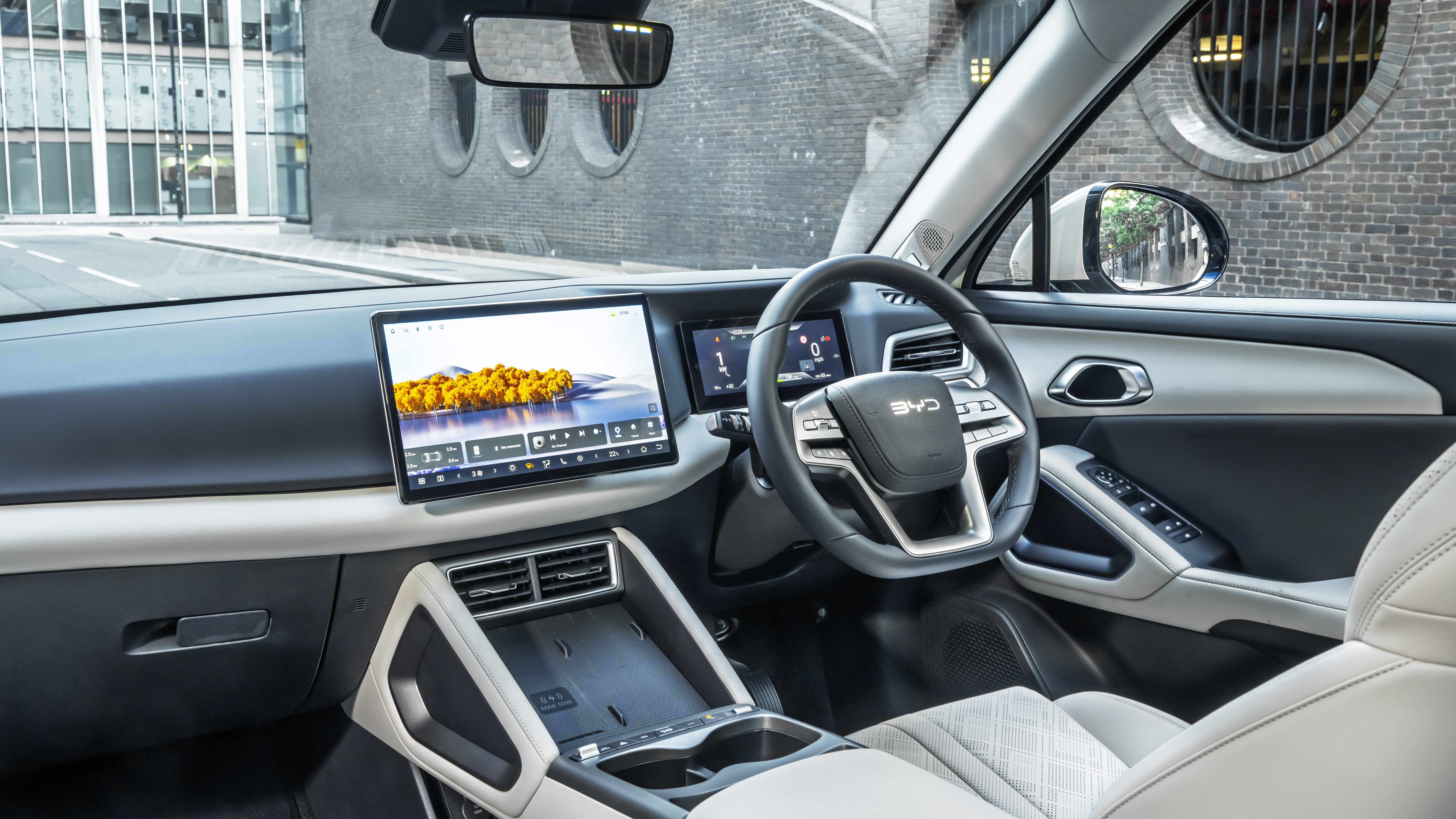
First thing that might trip you up is the start/stop button and the drive selector stalk. The former is in the middle of the centre console, the latter is to the right of the steering wheel, where you might traditionally find the stalk for the wipers.
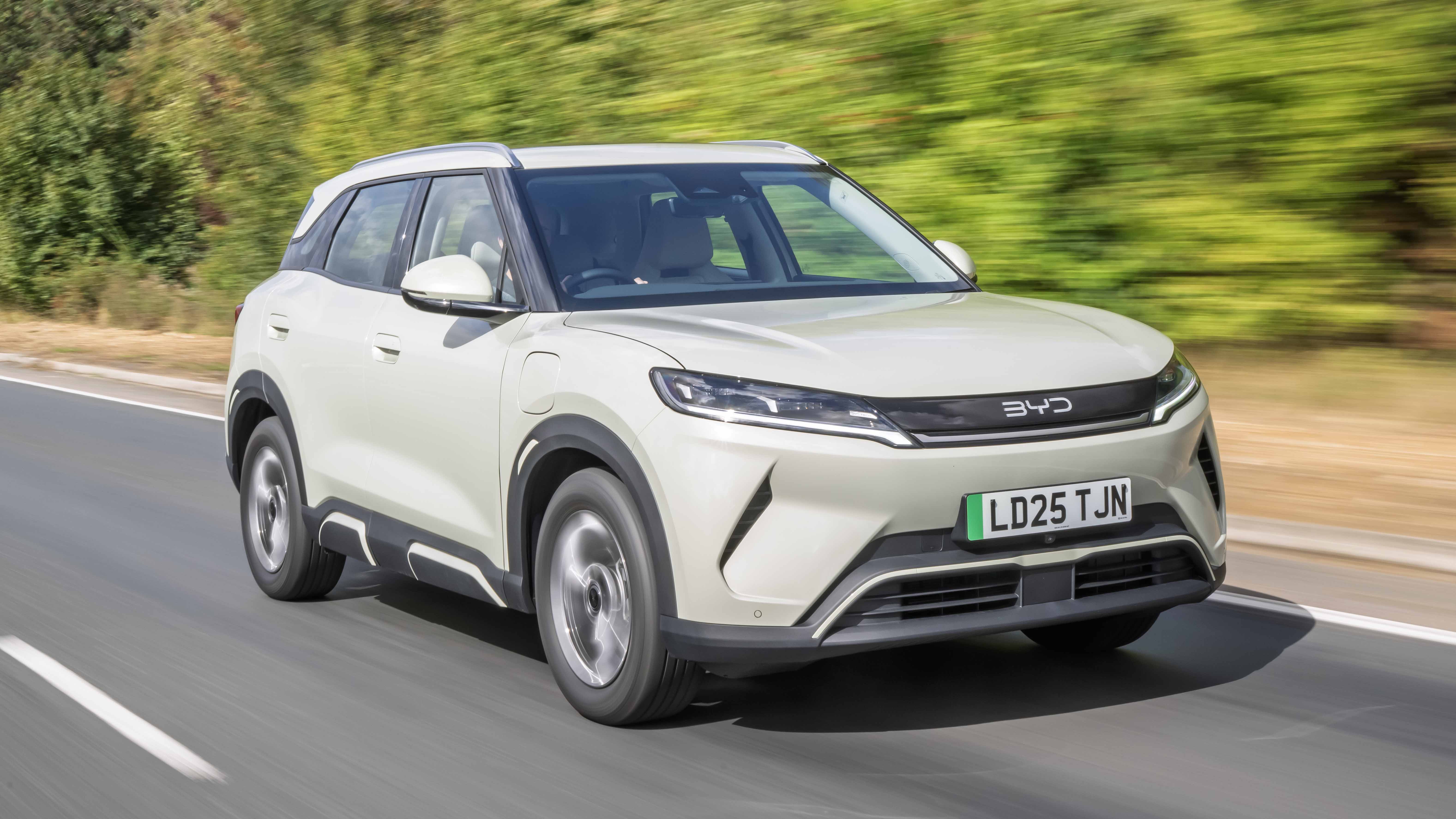
Once you’ve mastered that it’s all pretty straightforward. We’ll kick off with the EVs. They both accelerate smoothly and the brakes are similarly progressive and well judged; 0-62mph takes 7.9 seconds in both versions, with the extra power of the bigger motor presumably balancing out the additional weight of the bigger battery in Comfort trim.
There’s very little feedback to the light steering, but presumably most Atto drivers won’t care – what they might appreciate more is the 10.5-metre turning circle, which is pretty good for the class and particularly useful around town.
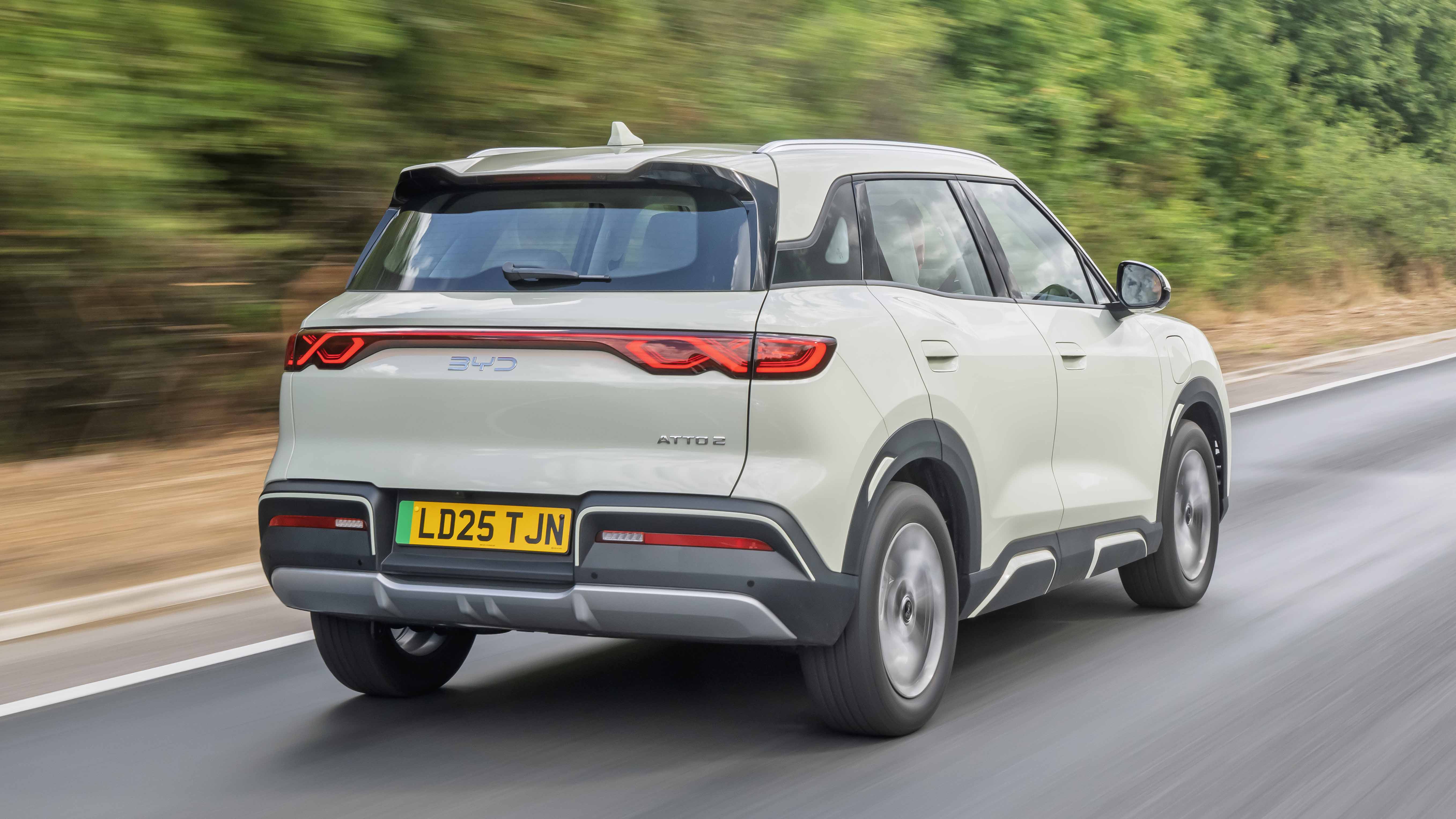
This is where things start to fall apart for the entry level EV. That gets a torsion beam rear suspension setup, and it has clearly been tuned to be on the softer side, and on the smooth, straight roads of its homeland that we can only dream of, we imagine it fares rather well. Not so in the UK.
Even at lower speeds it’s quite jittery, but on faster country roads it’s simply too wallowy and there’s little to no body control. It’s almost comical how much occupants are thrown around, and while it’s bearable in small doses, it’s far less so if you have any children prone to car sickness.
Thankfully the step up to the bigger battery also includes a multi-link setup at the rear, and this improves the Atto 2 markedly. The ride is more composed, it corners competently and is just generally fine to drive. Nothing special, but it doesn’t need to be.
At motorway speeds there’s minimal road roar, but it does suffer quite badly from wind noise around the mirrors. Turn the radio up, we’d suggest.
If only to drown out the sound of the driver monitor alert, because by God, is it annoying. Checking your mirrors, checking for traffic at a roundabout, hell, checking what speed you’re doing, it’s constantly telling you to keep your eyes on the road.
Naturally, it proved tricky to turn off too, though we at least figured out how to turn off the speed limit bong and lane keep assist using a swipe down from the top of the screen shortcut. Buttons would be better.
Not particularly. In mild temperatures we saw 3.8mi/kWh heading out of town and on a few faster B-roads, which works out at 194 miles in the Boost with its 51.1kWh battery, and 2.9mi/kWh at motorway speeds (148 miles). You do at least get a heat pump as standard in both models, which should help efficiency/range in colder months. Worth noting.
As is the difference in charging speeds between the two cars. Boost models only get up to 65kW DC charging, while Comfort models can manage 155kW. That means a 10 to 80 per cent charge in 37 minutes versus 25 minutes respectively.
On a three-phase 11kW AC home charger, you’re looking at approximately five and a half hours versus seven hours from completely flat to full.
We’ve only driven the DM-i in its full fat Boost trim so far, which means a bigger 18kWh battery connected to the 1.5-litre engine. It also means a total system output of 209bhp and a 0-62mph time of 7.5 seconds.
It’s a clever setup with lots of moving parts, but essentially what it means is multiple ways of driving the wheels, and the car works out which is best at any given moment. If you’ve charged up and are just popping about town, it’ll run solely on electric for up to 56 miles. In its HEV mode the engine will mostly be working to keep the battery topped up, but if you floor the throttle or sit at motorway speeds it can also drive the wheels. This means it does most of its work in its most efficient rev ranges, and when it’s just supplying electricity it’s quiet and refined, and blends into the background well.
There is then a bit of a flare of revs and noise under acceleration as it switches to driving the wheels, but even in Sport mode – yes, it has one, though chances are you'll never use it – it’ll quickly quieten down again and get back to work on the battery as you lift off the throttle. It’s a neat powertrain, although this is with the caveat that we’re yet to experience an Atto 2 PHEV with no charge left in the battery. On an hour long drive we saw an impressive 76.3mpg without draining the battery entirely.
The PHEV also seems to provide a fairly relaxed ride despite the fact it gets the torsion beam rear suspension setup. It’s far from sporty and there’s a fair bit of roll through corners, but generally it’s pretty comfortable. It’s helped by the chunky tyre sidewall and its sensibly sized wheels.
Thank you for subscribing to our newsletter. Look out for your regular round-up of news, reviews and offers in your inbox.
Get all the latest news, reviews and exclusives, direct to your inbox.