


Ad Feature
Families used to fit in hatchbacks. Now they can choose 2.5 tonne buses. So, which jumbo EV is best?
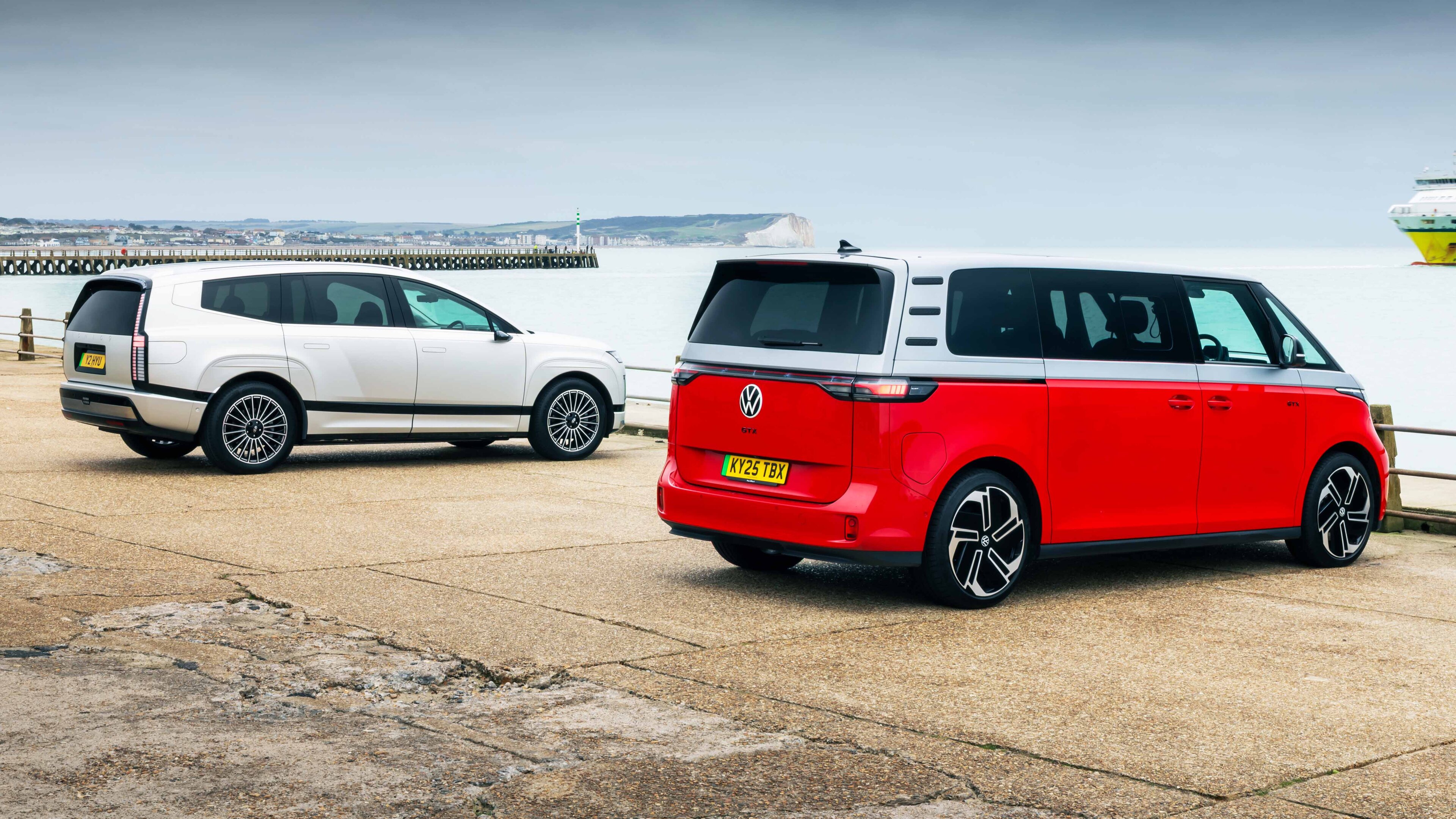
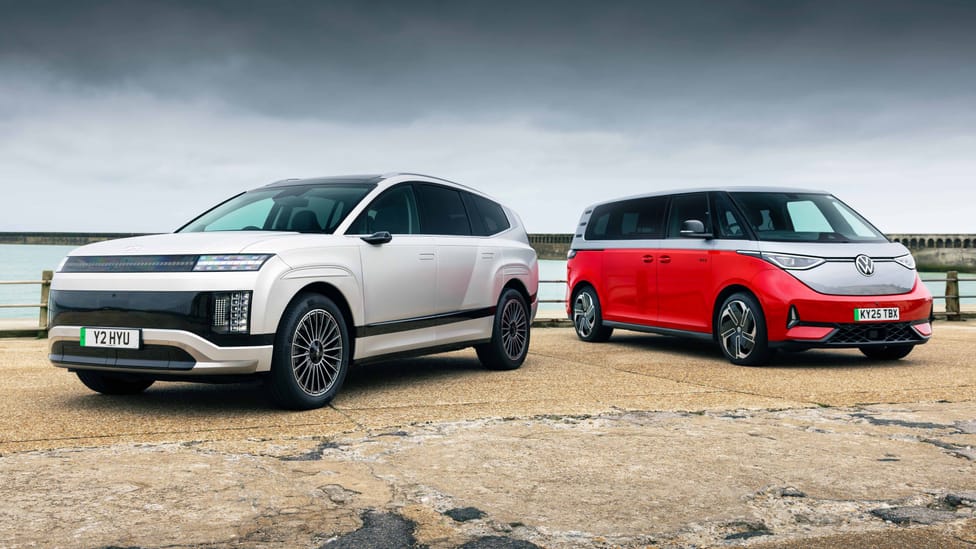
These are two extremely expensive family cars. There’s no getting away from that fact. As you witness them here, they’re both in their top trim levels with their most potent powertrain options. On a three year PCP deal with an already chunky £10,000 deposit down and a 10,000 mile annual limit, the Hyundai Ioniq 9 in Calligraphy trim with a six seat layout would cost you just over £1k per month.
Volkswagen’s long wheelbase ID. Buzz GTX with the same people carrying ability wouldn’t be too far behind, requiring 36 monthly payments of £825. But wait, because these aren’t just people carriers. They’re supposed to be objects of desire. They’re supposed to be cool. And don’t scoff, because the Ioniq 5 has already proven that Hyundai can play that game.
The Ioniq 9 once again deploys those retrotastic ‘parametric pixels’ for its front and rear lights, while the shape is supposed to minimise drag with its raked windscreen and chopped, estate-like rear end. Much of the streamliner learnings apparently came from the Ioniq 6 saloon, and somehow Hyundai has managed to give this behemoth sibling a slippery drag coefficient of 0.26.
Photography: Jonny Fleetwood
When I first saw the Ioniq 9 out in the US I liked the way it looked. Over there it offered something different to the boxy, truck based SUVs of the domestic market. And yet, now it’s here in the UK I’m not so sure. Perhaps it’s the overuse of the pixels, the eyebrows in the wheelarches or the £1,200 Gravity Gold matte paint? Or maybe it’s just the sheer size of the thing. It’s 8mm longer than a Range Rover and somehow makes even this stretched ID. Buzz look neat and compact.
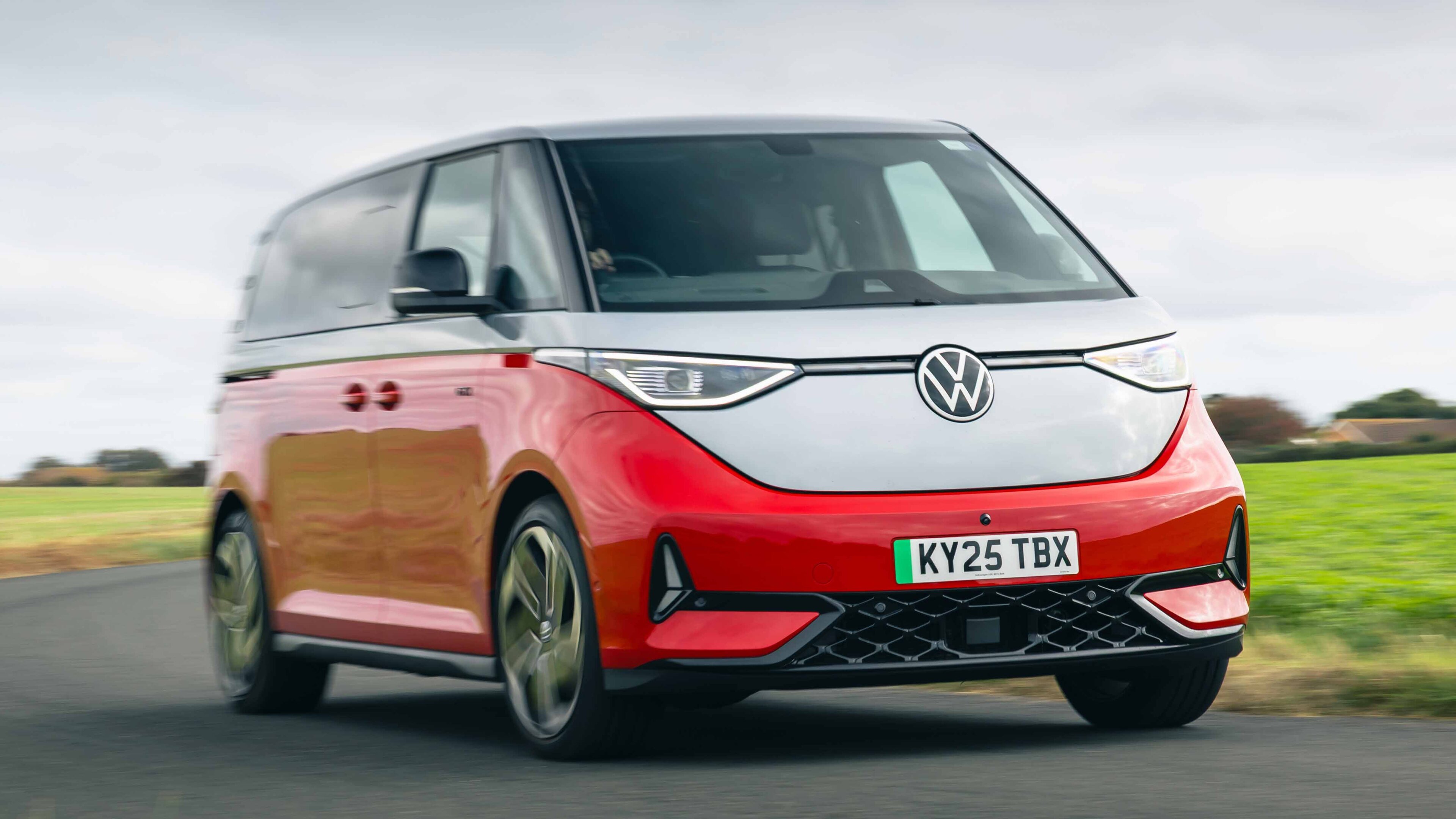
Before Volkswagen finally brought back the Bulli in 2022, there hadn’t been a genuinely cool VW since the Scirocco (RIP). But this is retro done right, with the electric underpinnings allowing for a flat floor and a short, stubby nose with minimal cooling. It wasn’t until mid 2023 that we first saw the long wheelbase ID. Buzz, and March the following year was our first look at the hotter GTX, but neither update has hurt the styling. In fact I rather like the GTX’s new smirking front bumper.
The long wheelbase treatment means it’s a much more flexible family car too, with the choice of either six or seven seats rather than the standard five and big boot of the short wheelbase car. There’s loads of glass filling the interior with light, and the GTX gets a giant panoramic roof as standard featuring ‘smart glass’ that switches from opaque to clear at the touch of a button.
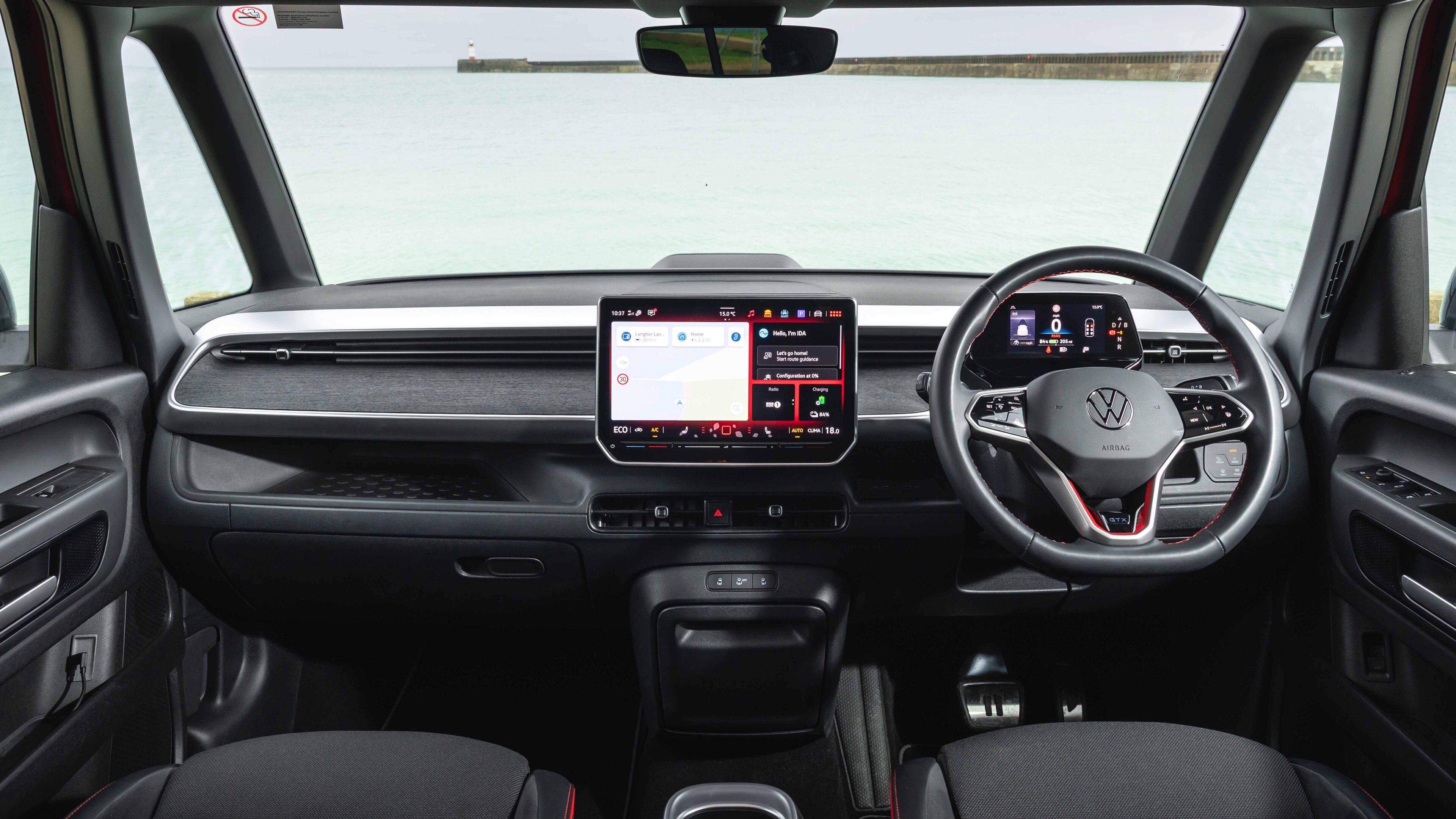
Slight shame that you can’t have any white paint as part of a classic two tone treatment on the sporty version, but this £2,791 Mono Silver/Cherry Red combo is still plenty eye catching. Inside there’s black cloth trim, but red stitching livens it up a bit and there’s a sporty looking steering wheel.
The haptic buttons that said wheel is saddled with are as frustrating as ever to use, but the 12.9in central infotainment screen is now much improved. It loads quickly, responds to your inputs promptly and features permanent climate controls and a speedy shortcut to the driver assist menu. Illuminated sliders underneath, too.
Thank you for subscribing to our newsletter. Look out for your regular round-up of news, reviews and offers in your inbox.
Get all the latest news, reviews and exclusives, direct to your inbox.
And while the rear doors and windows slide open electronically, the seats in the back of the Buzz are manual and super easy to fold, flip and slide. The six seater layout means you get two captain’s chairs in the middle row and two slightly smaller seats in the rear, but even in that third row there’s plenty of space for a 6ft adult. The trade off is a relatively small boot, with only 306 litres of space when the final row is in use. Even an ID.3 can comfortably beat that.
The Ioniq 9 deploys a similar layout but retains slightly more room for luggage when fully loaded with people (although it can’t compete with the van shaped Buzz when seats start being folded). It too uses a 2-2-2 formation for seating, but if you want acceptable adult legroom in the third row then the middle won’t be able to stretch out.
It also gets a flat floor, but the seats are mounted lower so passengers will find their knees raised up round their ears. And there’s a strange mix of methods to move said seats in this top spec Calligraphy model, so while the final row folds flat electronically the middle row is manual and rather fiddly. Confusing.
One thing that does slide gracefully is the centre console. Hyundai calls this the “Universal Island 2.0” and it’s essentially a giant storage box that can move between the first and second rows. It also houses cupholders, a wireless charging pad and all the rear seat climate controls. Volkswagen offers something similar on the Multivan, but not on the ID. Buzz.
The driving position is pure van but it handles more like a passenger car
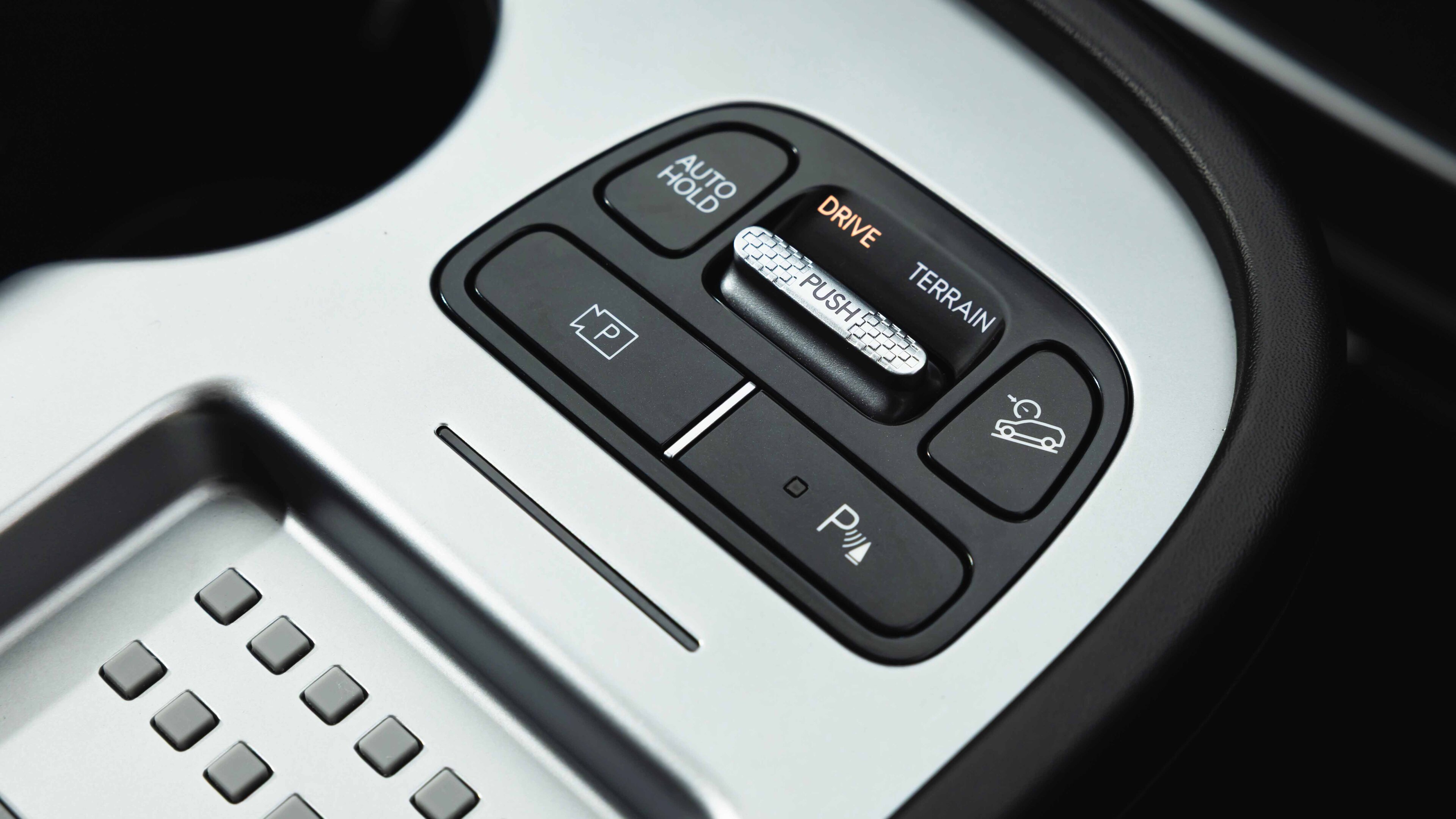
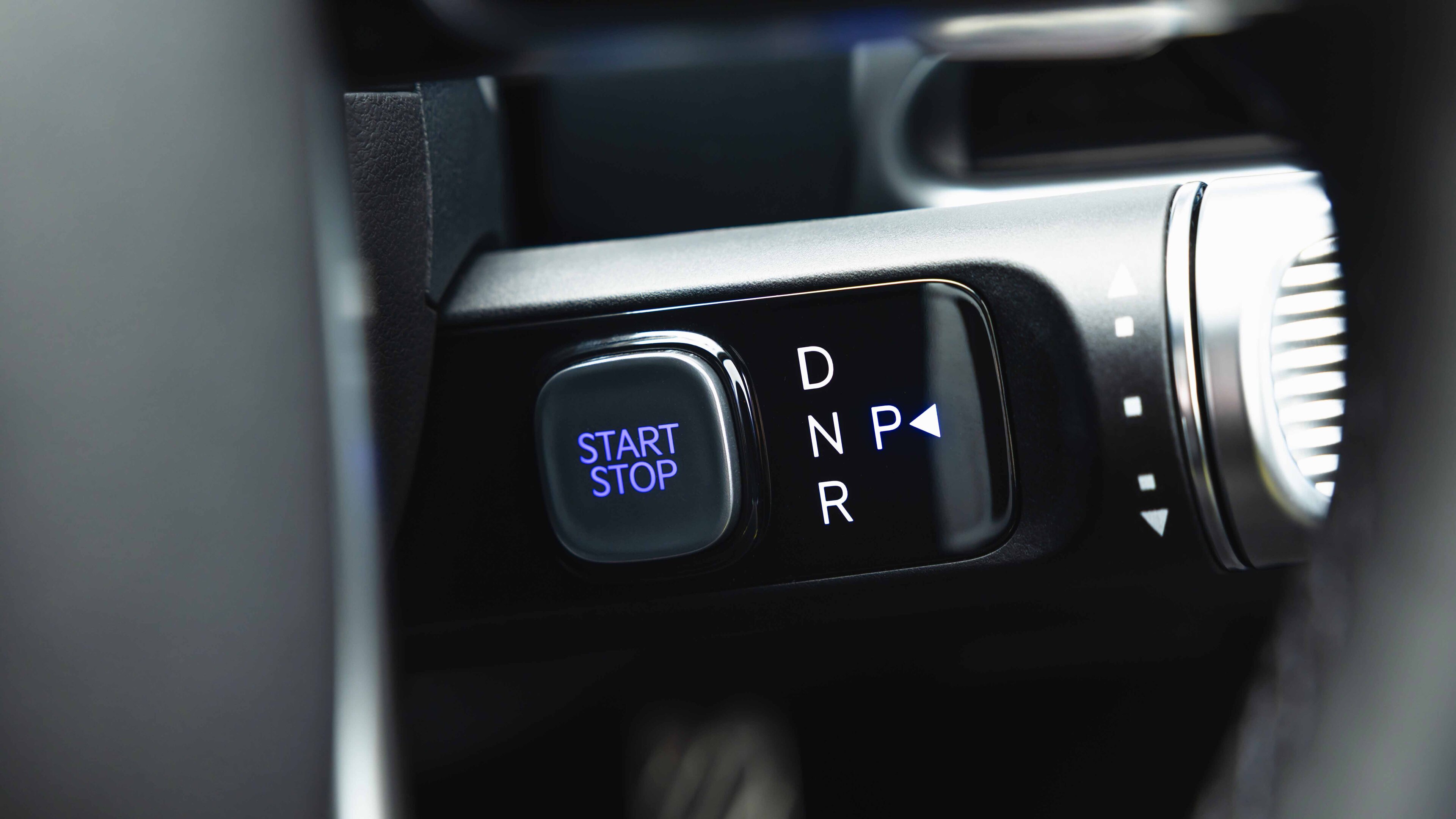
Hyundai gets a hearty pat on the back for its physical buttons too. There may be a large curved display with two 12in screens up front, but there are also dedicated panels for the climate and media controls, as well as proper buttons and rocker switches on the steering wheel. Hold the volume button to turn off the speed limit warning bong, then do the same with the little steering wheel icon to switch off the overeager lane assist. Easy.
Unfortunately, I didn’t find the driving position all that comfortable in the Ioniq 9. Sure, the chairs are trimmed in Nappa leather and are heated, ventilated and massaging up front, but the headrest is far too stocky and the steering wheel doesn’t offer enough reach adjustment, so you’re left reaching for it while your legs bunch up against the pedals.
And we must talk about those cameras moonlighting as mirrors. Of course this contributes to the low drag coefficient, but it also spoils all of the usability created by fitting proper mirrors. The screens are mounted in a natural position and I’m sure you’d get used to them, but parallel parking a 5m long car using only cameras is a task I’d rather not undertake every day. Even judging distances for a supposedly simple lane change is tricky. Hyundai has stuck a guide on the display, but trusting that completely would require serious faith in technology.
Thankfully, even if you’re pulling into the outside lane of a derestricted section of autobahn, you’ll have plenty of grunt to get up to speed. This Performance AWD powertrain uses a motor on each axle for a combined 421bhp and a 0–62mph time that just sneaks in under five seconds.
Power is delivered smoothly and without fuss, and it feels much better tied down than the prototype I drove last year. There’s not so much dive under braking and it corners remarkably flat for a seriously hefty SUV, with the steering weighting up nicely as the speed rises. There are even paddles behind the wheel to adjust the level of regen braking.
And yet, performance hasn’t taken priority over comfort. The laminated glass, active noise cancelling tech and foam filled tyres all combine to reduce road and wind noise, making the cabin of the Ioniq 9 a serene place to spend time. The suspension is a fairly simple multi-link rear, MacPherson front setup and is all the better for it. No air suspension here. It deals well with bumps and lumps in the road, although on occasion it will remind you just how much this thing weighs with a hefty crash through a giant pothole.
The ID. Buzz can’t match the big Hyundai for refinement. Its slab sided design and low profile tyres mean there’s more noise transmitted into the cabin, but it’s still light years ahead of the diesel engined, van based VW buses of yesteryear. It also has 335bhp being sent to all four wheels, so it’s genuinely quick.
Even in Normal mode its nose will perform a little upnod under throttle, and with a low centre of gravity it actually corners rather keenly. The driving position is pure van but it handles more like a passenger car and even offers a little bit of feedback through the steering. The combination makes it excellent fun.
As you might expect, the VW is also far easier to manoeuvre. In other markets around the world you can spec an Ioniq 9 with four wheel steering, but for some reason in the UK the fronts are required to do all of the work. That means it’s got the turning circle of a cross Channel ferry. The ID. Buzz is heavier on paper but feels more nimble and is far easier to park. Important if the kids have been asking if you’ve almost arrived for the past hour and a half.
The ID. Buzz is a car that gets under your skin and makes you smile. It’s the one I’d really want to own
Once stopped and plugged in there’s not much in it in terms of charging speeds. The Hyundai peaks at 233kW, while the Volkswagen can manage 200kW. Both can also be used as giant powerbanks to send electricity out the other way. Of course, the Ioniq 9 does have a considerably larger battery and claims 372 miles of range to the Buzz’s 282 miles.
But both were equally as efficient during our test with the Hyundai registering 3.1 miles per kWh and the VW 3.0. The GTX’s range feels plentiful for a family bus, and the extra power and second motor only cost you five miles versus the rear wheel drive variant.
If you’re regularly covering big distances then the Hyundai is probably the one to have here. It’s more accomplished as a cruiser and more refined on the move, although I do have reservations about the driving position and would definitely not tick the £1,000 box for the digital side mirrors.
Although in all honesty, if I were choosing between the two I probably wouldn’t even get that far on Hyundai’s configurator, because the ID. Buzz is a car that gets under your skin and makes you smile. It’s the one I’d really want to own, and if you’re dropping this much cash on an electric car for the family then that really matters. Otherwise you’d just spend £30k on a seven seat Vauxhall Combo Life.
Volkswagen took the standard Buzz and made it far more practical with the addition of a long wheelbase variant, then it stuck on a sporty front bumper and plugged in an extra motor to make it even more enjoyable to drive. It’s now properly fun for all the family.
Thank you for subscribing to our newsletter. Look out for your regular round-up of news, reviews and offers in your inbox.
Get all the latest news, reviews and exclusives, direct to your inbox.