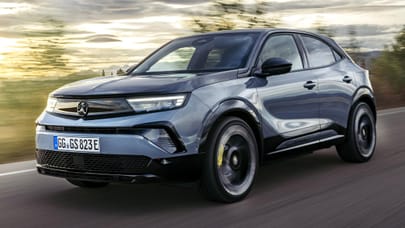


the fastest
1.2 Turbo Hybrid 145 Ultimate 5dr e-DCT6 [NI]
- 0-628.2s
- CO2
- BHP143.5
- MPG
- Price£31,880
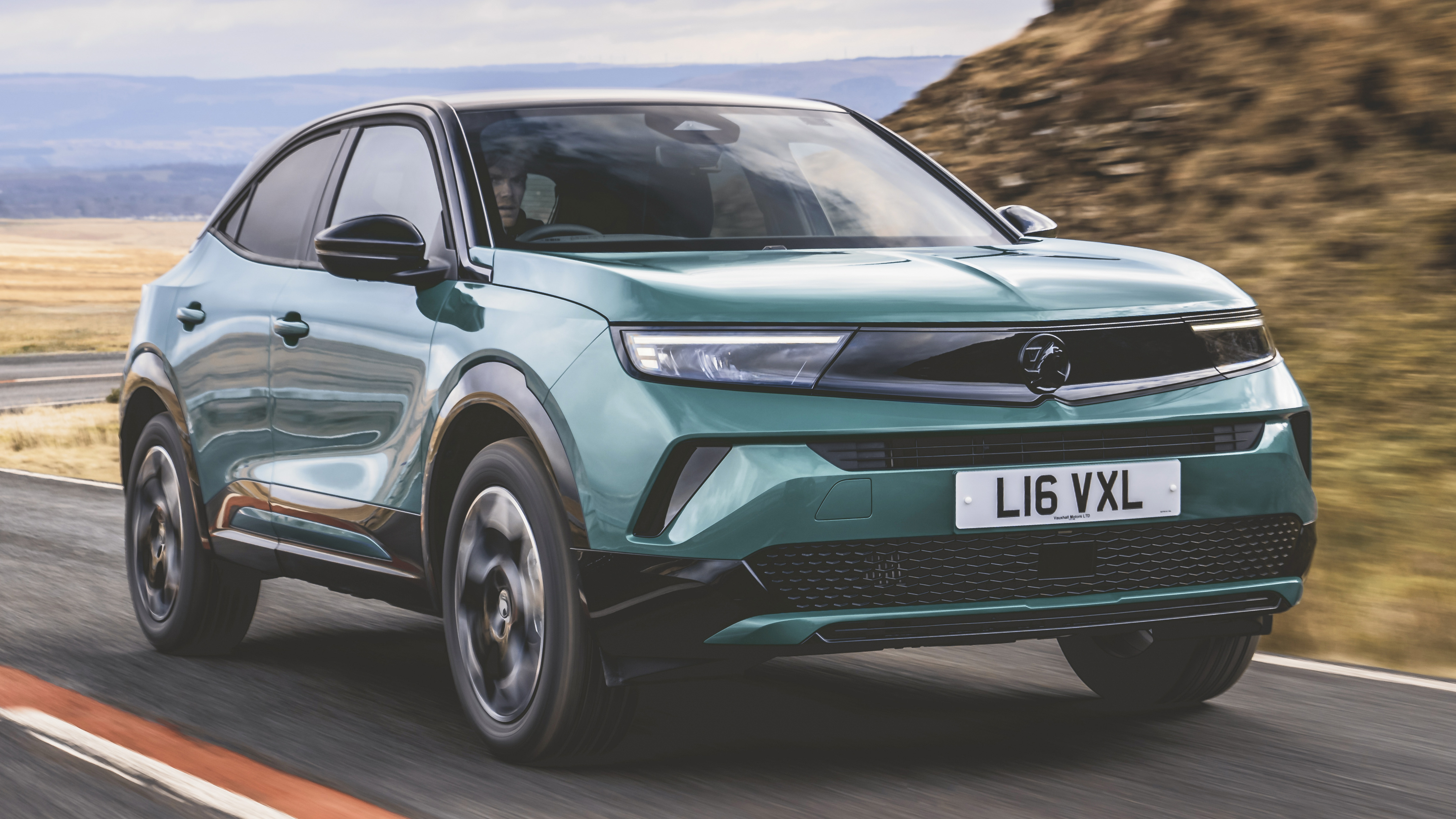
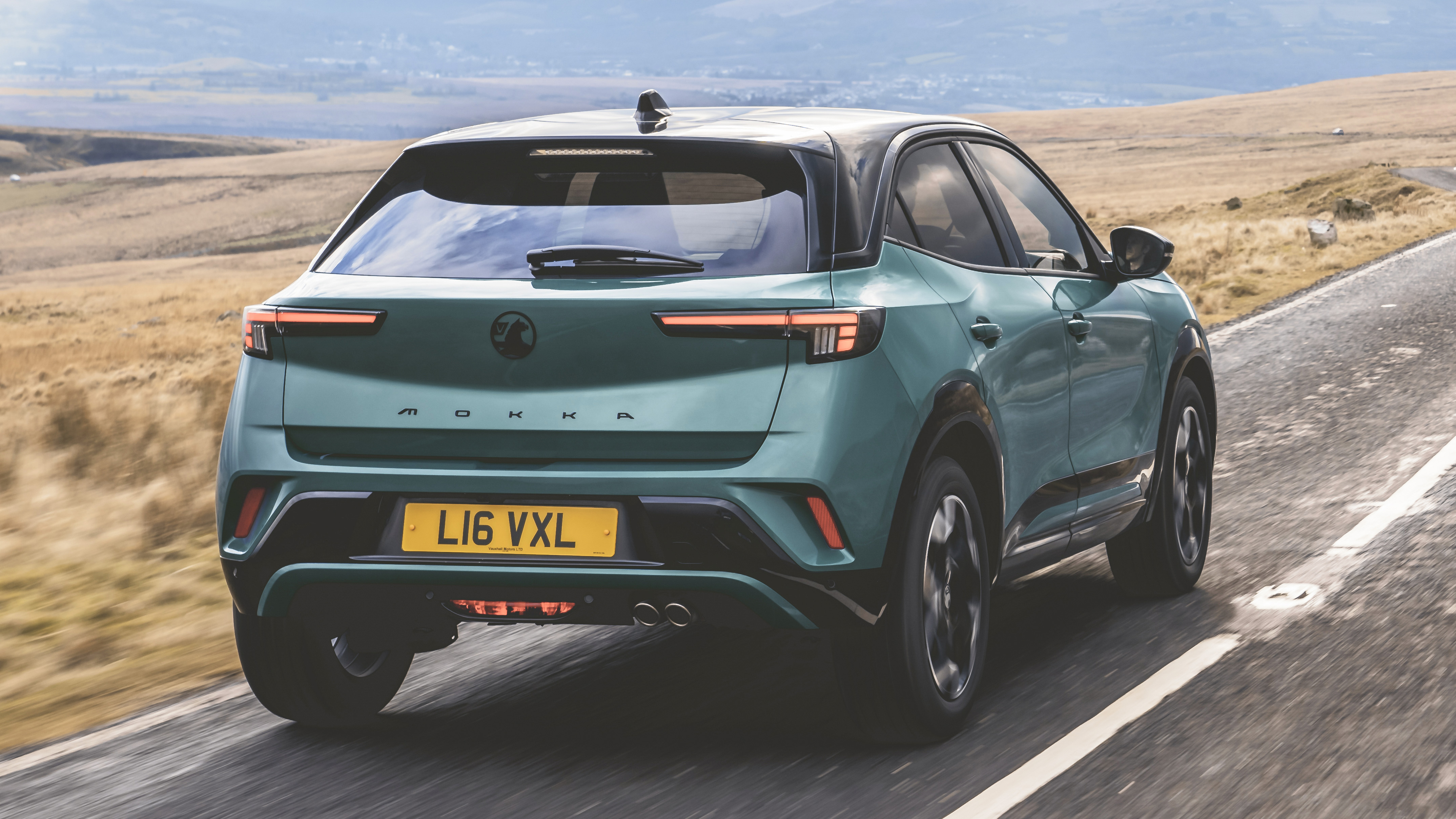
Let’s talk Mokka Electric first. Juiced by a 54kWh battery, it claims a 250-mile range, which puts it on a pretty equal footing with its Peugeot e-2008 cousin. The Kia EV3 and Hyundai Kona Electric will go further – but they cost a few thousand more.
On a mild winter’s day, using the heater and phone-charging and all the usual mod-cons, we managed 3.3mi/kWh without having to venture into the Eco Mode, which castrates throttle response and winds down the aircon to add about 10 miles to the indicated range. In warmer temps we managed 3.8mi/kWh.
On a 100kW charger, such as those at motorway services, a 0-80 per cent charge takes half an hour, but it’ll cost you an arm and a leg for the privilege. On a 7kW home charger a 0-100 per cent charge will take 7h30m (overnight, in other words), but will cost you a lot less especially if you have a cheap tariff.
Stab the throttle and it’ll do 0-62mph in 9.0 seconds, but this smooth, effortless powertrain adds a real dollop of maturity to the Mokka. It’s a doddle to drive, with barely any tyre or wind noise either, and it feels far more suited to electric power compared to either the pure petrol or hybrid versions – as we’ll get to.
Its primary flaw is the ride, which takes the already taut manners of the petrol car and adds more jostle and head-toss despite the low centre of gravity. It’s particularly noticeable around town, where the majority of these things will likely live. Best to avoid the 18in wheels on upper spec versions if you can.
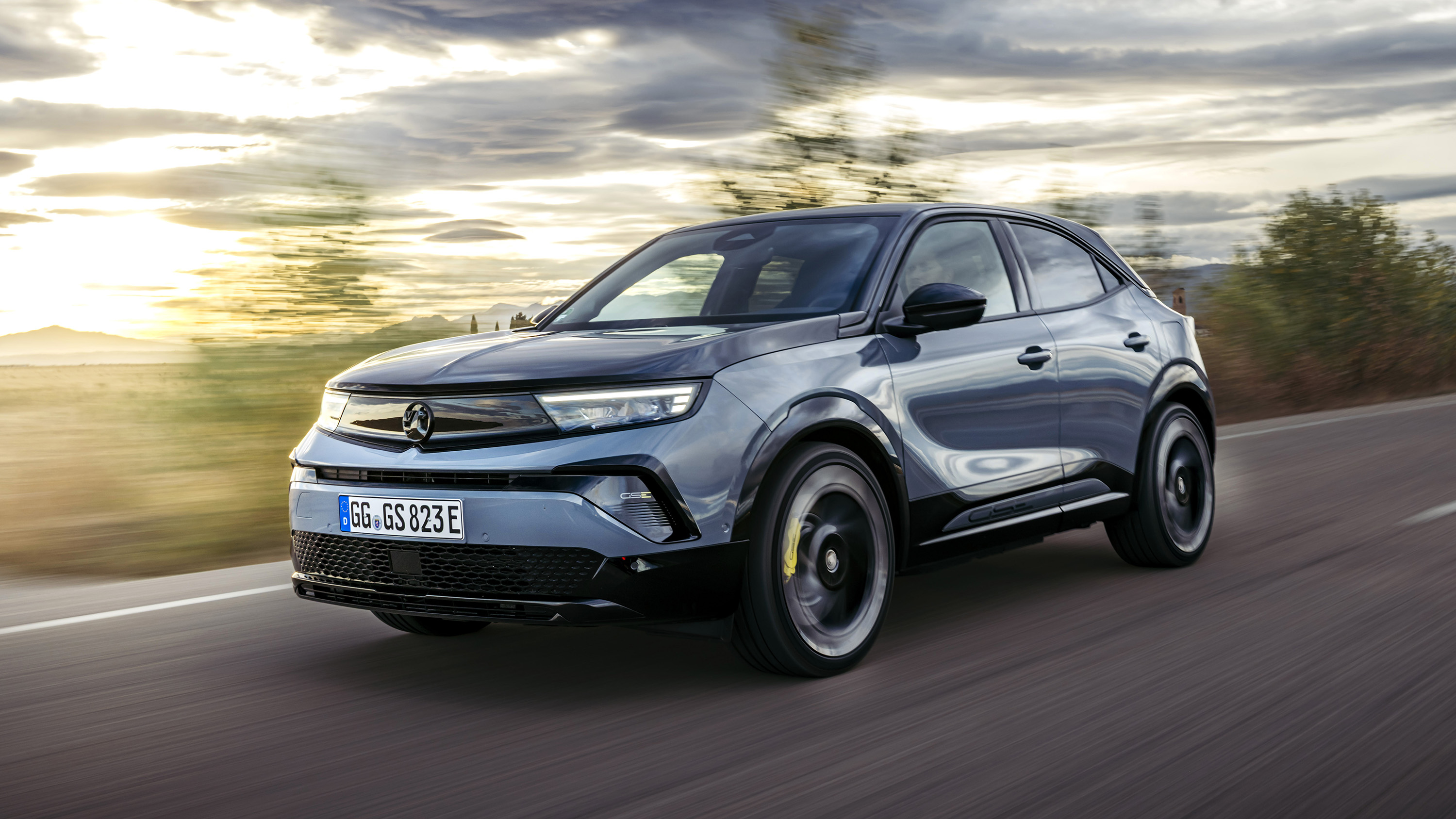
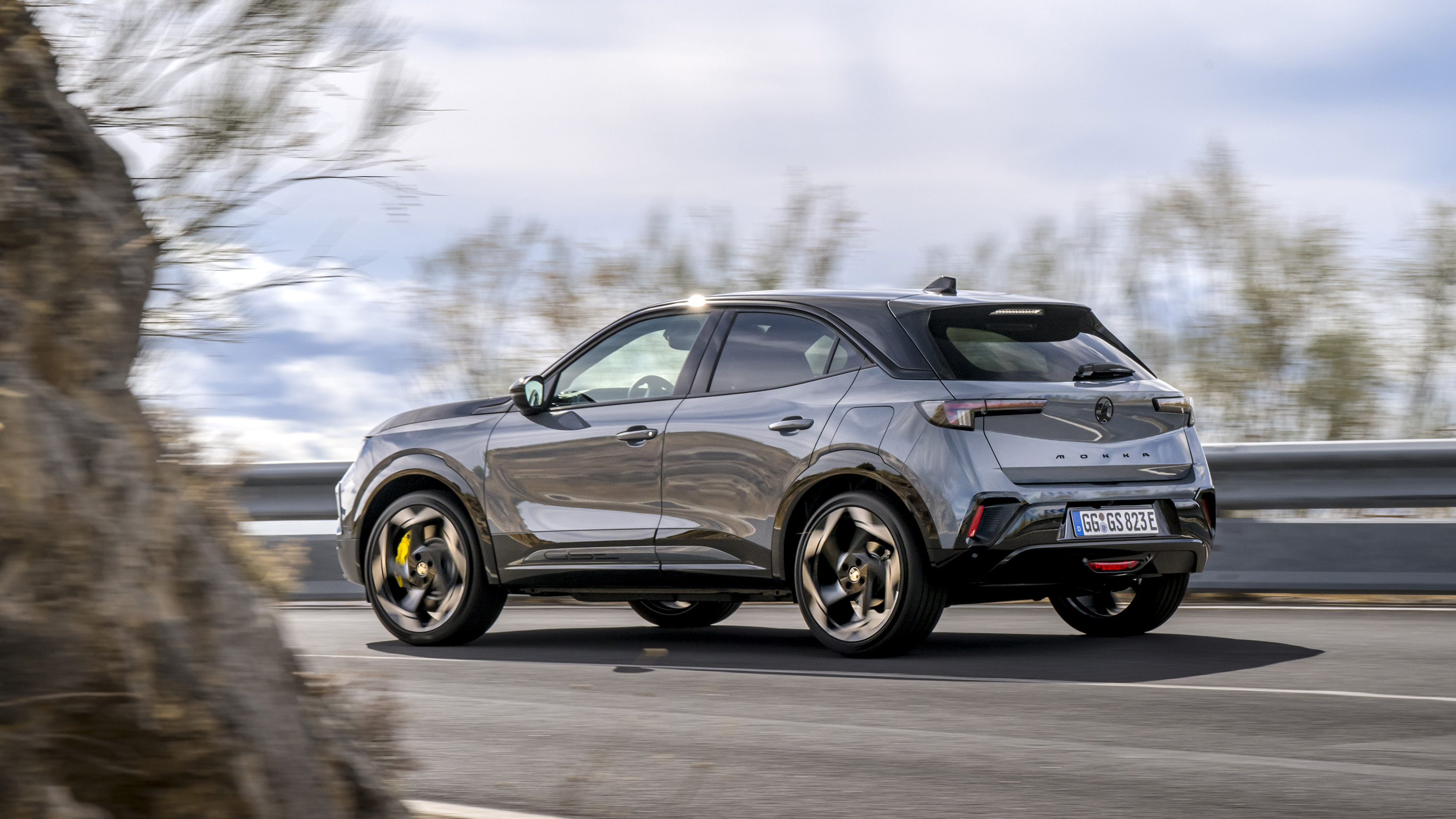
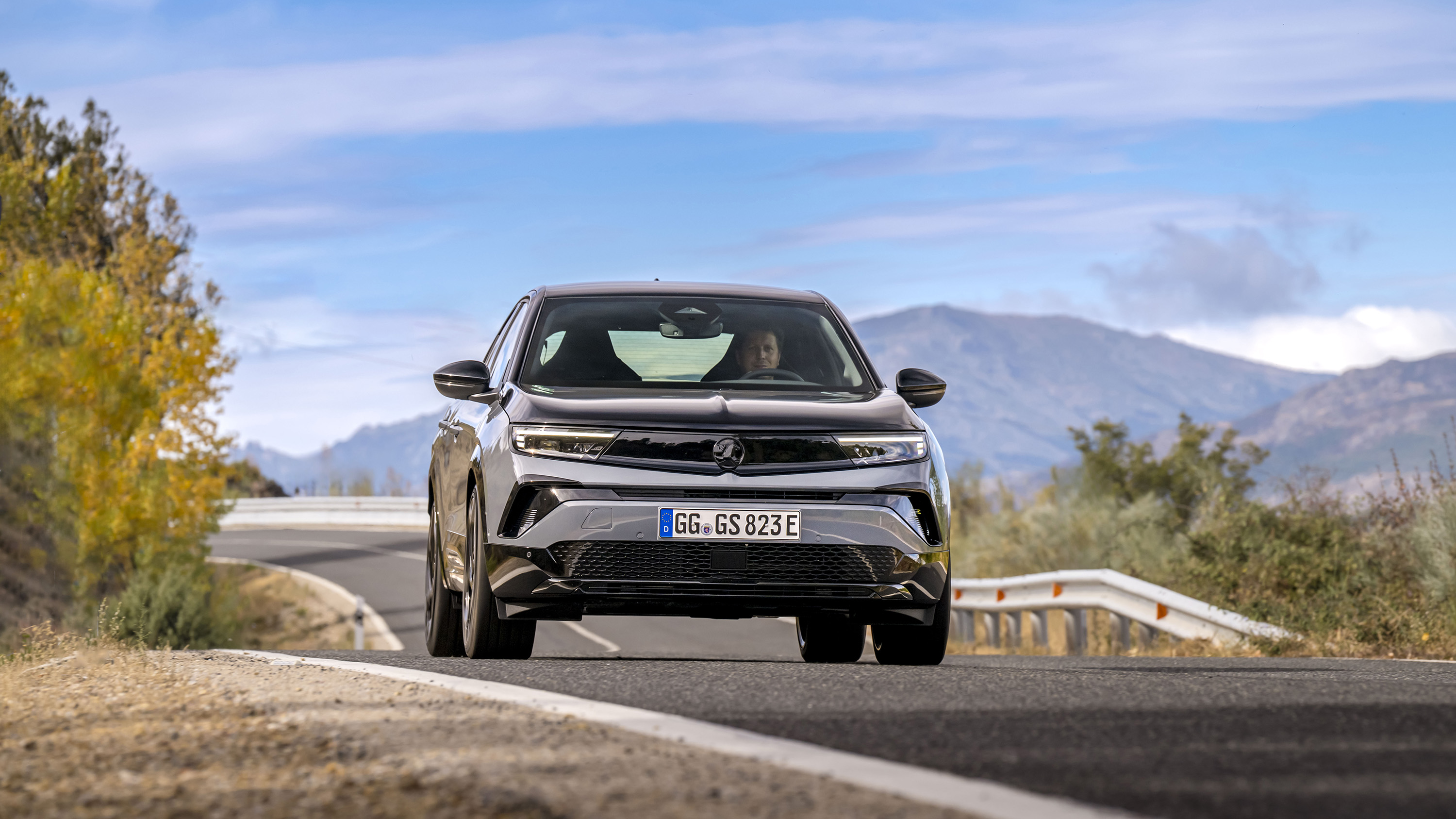
Vauxhall’s latest stab at a performance sub-brand – following GSi, SRi and VXR – is GSE. It’s not a new badge, but the E now signifies Electric and the Mokka GSE is the first of hopefully many fun, quick Griffin-badged cars to come. It cribs its 276bhp powertrain, trick Alcon brakes, Torsen limited-slip differential and bespoke Michelin tyres from other hot Stellantis crossovers and hatches – the Abarth 600e, Alfa Romeo Junior Veloce, and Peugeot E-208 GTI among them – but has its own suspension tune according to the Opel engineers masterminding it.
The ride is firm – this one sits on 20in wheels! – but it compensates with a properly keen front end, which flicks into corners aggressively and puts its power down well thanks to that LSD. It encourages quick pace and you can have a ball on road or circuit – though if you’re buying a Mokka specifically to take on trackdays, we ought to have a polite chat.
Just be wary of how much fun you’re having. Prod the GSE into its sportiest mode and the brake regen decouples, for better brake feel. Successful it is, too… until you glance at the battery display and realise that without the generous replenishment regen brings on a twisty hillside road, you’re hammering your range. Expect 2.0mi/kWh (or less) and 100 miles of range if you’re misbehaving. It’s not the only performance EV to feel conflicted in concept, though. Read the fuller TopGear.com verdict here.
The Mokka is a pleasant, neat handling car. The steering’s a little slower than we’ve become used to in modern cars, but that helps the car settle at a cruise – it doesn’t need mollycoddling adjustments to stay straight and true.
Yes, a Ford Puma is better set-up – a genuine giggle in the corners, in fact – but the Mokka’s exactly as adequate as it needs to be, and manages to pull off feeling daintier on its feet yet leagues more mature than the old one.
The 1.2-litre petrol tri-cylinder is a little gruff but chirrups along at a decent lick, though the automatic transmission – a £1,650 option – fluffs its lines occasionally. Both manual and auto see off the 0-62mph sprint in 8.9 seconds.
Vauxhall claims around 50mpg WLTP in the manual, the auto slightly less, and emissions of 129g/km of CO2 and 139g/km respectively. Real world we got 37mpg from a mix of town and country driving – you could probably do better.
Ah yes. It combines a 134bhp 1.2-litre three-cylinder turbo petrol with a 28bhp electric motor, teeny 0.89kWh battery and a six-speed DCT. It helps get you going (0-62mph takes 8.2 seconds) and allows a small amount of electric only running at low speeds around town, while recharging itself under braking.
But it’s far from the smoothest hybrid system we’ve tried, with the handover from engine to e-motor clunky and the gearbox very indecisive. Similarly to the Electric version, there’s a noticeable dead spot at the top of its pedal travel as it balances regen and friction braking, which takes some getting used to.
Most of the time you’ll be running on petrol power though, with a mild improvement in economy compared to the pure combustion version. Vauxhall claims 58.8mpg, we saw 49.5mpg. Good for your eco conscience, and your wallet.
Thank you for subscribing to our newsletter. Look out for your regular round-up of news, reviews and offers in your inbox.
Get all the latest news, reviews and exclusives, direct to your inbox.